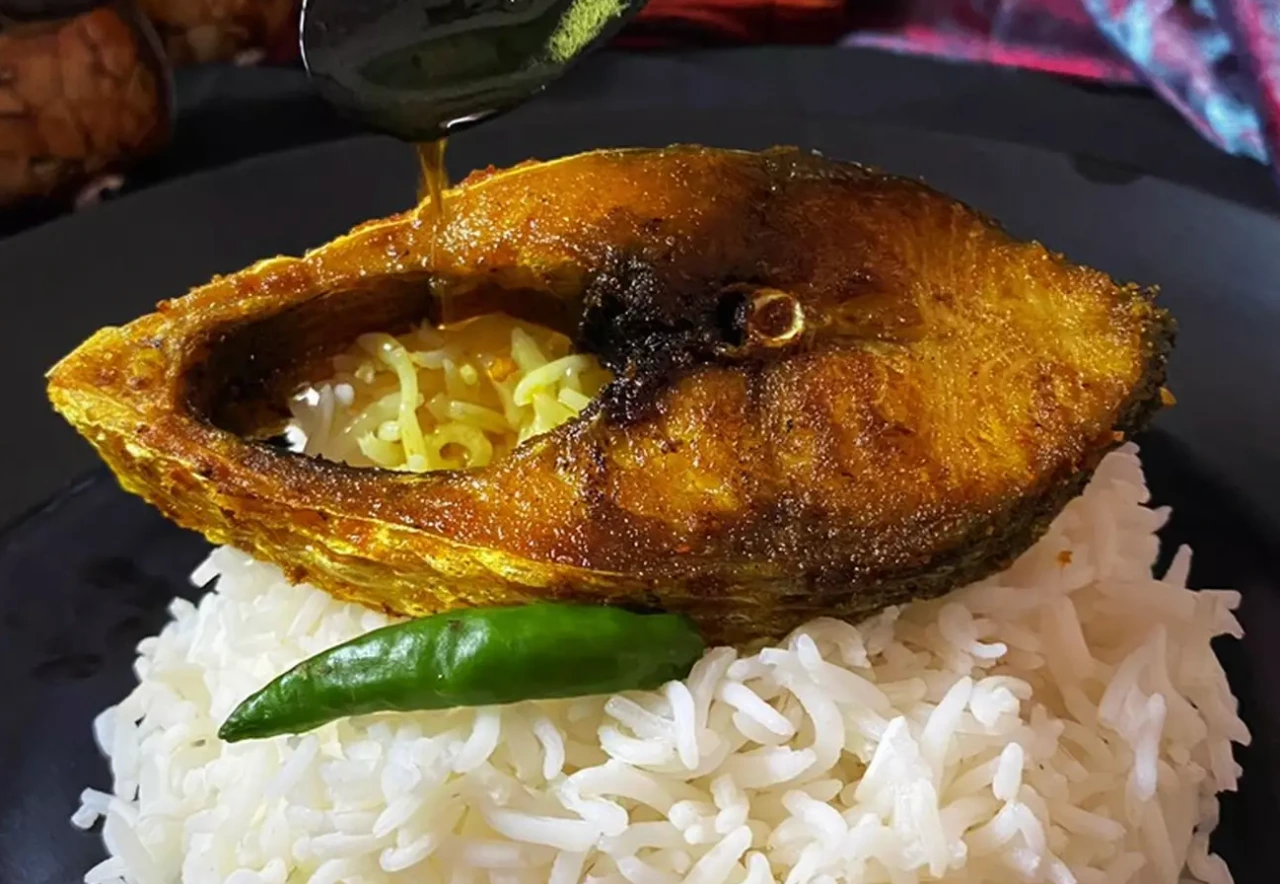
If you ask any Bangladeshi what food best represents their country, the answer is almost always the same: Hilsa fish served with steamed rice, locally known as Ilish Maach o Bhaat. More than just a delicious meal, it symbolizes Bangladesh’s rivers, traditions, family gatherings, festivals, and centuries of culinary heritage.
For travelers from the USA and around the world, exploring Bangladesh national food offers one of the most authentic ways to understand the country’s culture. Every region has its own recipes, cooking techniques, and local ingredients, making Bangladeshi cuisine one of South Asia’s most diverse and underrated food traditions.
Whether you’re planning your first visit or searching for authentic Bangladeshi food experiences, this guide explains why Hilsa and rice have become the nation’s culinary identity and where you can enjoy the finest traditional dishes throughout Bangladesh.
What Is the National Food of Bangladesh?
The national food of Bangladesh is widely recognized as Hilsa fish with steamed rice (Ilish Maach o Bhaat).
Hilsa is the country’s national fish and holds an iconic place in Bangladeshi cuisine. Found primarily in the rivers flowing into the Bay of Bengal, Hilsa is prized for its rich flavor, delicate texture, and cultural significance. Combined with freshly cooked rice, it creates a simple yet unforgettable meal enjoyed in homes and restaurants across the country.
Although Bangladesh offers hundreds of regional dishes—from spicy beef curries to flavorful vegetable bhortas—Hilsa and rice remain the most recognizable representation of the country’s culinary heritage.
For visitors seeking authentic local flavors, tasting this traditional meal is considered an essential part of any Bangladesh itinerary.
Why Hilsa Is So Important to Bangladesh
Hilsa is much more than a popular fish—it represents Bangladesh’s identity, economy, and traditions.
The country’s extensive network of rivers, including the Padma, Meghna, and Jamuna, provides one of the world’s finest habitats for Hilsa. Thousands of fishing families depend on seasonal Hilsa fishing for their livelihoods, while millions of Bangladeshis eagerly await the annual Hilsa season.
The fish also plays an important role in family celebrations, weddings, religious festivals, and national holidays. Serving Hilsa to guests is considered a symbol of hospitality and respect.
Its importance extends beyond the dinner table, reflecting Bangladesh’s deep relationship with its rivers and natural resources.
The History Behind Bangladesh National Food
Bangladeshi cuisine has evolved over thousands of years through a combination of indigenous traditions and influences from Mughal, Persian, Arab, and British cultures.
Despite these influences, Hilsa has remained at the heart of Bengali cooking for centuries. Historical records suggest that Hilsa was enjoyed long before modern Bangladesh existed, particularly by communities living along the country’s vast river systems.
As rice cultivation expanded throughout the fertile Bengal Delta, steamed rice naturally became the perfect companion to Hilsa. Together, they formed the foundation of what is now recognized worldwide as Bangladesh’s national food.
Today, this timeless combination continues to connect generations through shared family meals and cherished culinary traditions.
What Does Hilsa Taste Like?
Many first-time visitors ask whether Hilsa tastes similar to salmon or trout.
The answer is no.
Hilsa has a unique flavor profile that cannot easily be compared to other fish.
It offers:
- Rich buttery texture
- Delicate natural oils
- Soft flaky meat
- Distinct river freshness
- Mild sweetness
- Complex umami flavor
Because Hilsa contains numerous fine bones, locals have perfected techniques for eating it carefully, making the experience both enjoyable and memorable.
The richness of the fish pairs beautifully with plain steamed rice, allowing its natural flavor to shine without overwhelming spices.
Traditional Bangladeshi Hilsa Dishes You Must Try
One of the greatest pleasures of exploring Bangladesh is discovering how each region prepares Hilsa differently.
Some of the country’s most famous recipes include:
- Shorshe Ilish – Hilsa cooked with mustard paste, green chilies, and mustard oil.
- Bhapa Ilish – Steamed Hilsa wrapped with mustard, coconut, and spices.
- Ilish Pulao – Fragrant rice cooked with Hilsa and aromatic spices.
- Ilish Bhuna – Slow-cooked spicy Hilsa curry.
- Ilish Tok – Hilsa prepared with tangy tamarind flavors.
- Doi Ilish – Hilsa cooked in creamy yogurt-based gravy.
- Smoked Hilsa – Traditional preparation in some rural communities.
- Fried Hilsa – Crispy golden Hilsa served simply with hot rice and lentils.
Each preparation reflects the diversity of Bangladeshi regional cooking while preserving the fish’s distinctive taste.
Why Every Food Lover Should Visit Bangladesh
Bangladesh remains one of Asia’s most underrated culinary destinations.
Unlike many tourist-heavy countries, visitors often experience food exactly as local families have prepared it for generations.
Fresh ingredients, seasonal cooking, family recipes, and regional specialties make every meal unique.
Beyond Hilsa, travelers can discover:
- Beef Bhuna
- Morog Polao
- Kacchi Biryani
- Bhuna Khichuri
- Chingri Malai Curry
- Dal
- Bhorta
- Seasonal vegetables
- Traditional Bengali desserts
For travelers who believe food tells the story of a country, Bangladesh offers an authentic culinary journey unlike anywhere else in South Asia.
If you’re interested in experiencing local markets, traditional restaurants, and authentic street food, our Dhaka Food Tour provides an unforgettable introduction to Bangladesh’s vibrant food culture. Many visitors also combine their culinary adventure with Discover Dhaka City or an Old Dhaka Tour, where centuries-old restaurants continue serving recipes passed down through generations.
Bangladesh’s national food is not simply something you eat—it is a window into the country’s history, hospitality, and identity.
Bangladeshi Cuisine: More Than Just Hilsa and Rice
While Bangladesh national food is widely recognized as Hilsa fish and steamed rice, the country’s culinary landscape extends far beyond this iconic meal. Every region offers distinctive flavors, local ingredients, and recipes that reflect centuries of tradition and cultural exchange.
Bangladeshi cuisine is built around fresh, seasonal ingredients. Rice remains the staple food, accompanied by fish, meat, lentils, vegetables, pickles, and an impressive variety of spices. Unlike many neighboring cuisines, Bangladeshi cooking emphasizes the natural flavor of ingredients rather than overpowering them with excessive spice.
Meals are often served family-style, encouraging everyone to share multiple dishes at the same table. This tradition reflects the warmth and hospitality for which Bangladesh is known.
The Essential Ingredients of Bangladeshi Cooking
Understanding Bangladeshi cuisine begins with its ingredients. Many recipes have remained unchanged for generations, preserving authentic flavors that visitors rarely find elsewhere.
Some of the most common ingredients include:
- Fresh Hilsa, Rui, Katla, and other river fish
- Aromatic rice varieties
- Mustard oil
- Fresh green chilies
- Turmeric
- Coriander
- Cumin
- Garlic
- Ginger
- Onions
- Coconut
- Lentils
- Seasonal vegetables
- Tamarind
- Fresh herbs such as coriander leaves
The careful balance of these ingredients creates dishes that are flavorful, aromatic, and deeply satisfying without relying on heavy cream or processed sauces.
Why Rice Is the Heart of Every Bangladeshi Meal
Rice is far more than a side dish in Bangladesh—it is the foundation of daily life.
The fertile Bengal Delta produces some of South Asia’s finest rice varieties, making rice the centerpiece of breakfast, lunch, and dinner. Whether served with Hilsa, beef curry, lentils, vegetables, or fried fish, freshly steamed rice brings every meal together.
Visitors often notice that Bangladeshi rice is softer and more fragrant than many commercial varieties available internationally, adding another layer of authenticity to the dining experience.
Must-Try Traditional Bangladeshi Dishes
Although Hilsa and rice define Bangladesh’s national food identity, every traveler should explore the country’s diverse culinary traditions.
Kacchi Biryani
Prepared with fragrant basmati rice, marinated mutton, potatoes, saffron, and aromatic spices, Kacchi Biryani is one of Bangladesh’s most celebrated festive dishes.
Dhaka is particularly famous for its traditional biryani restaurants, many of which have been serving the same recipes for generations.
Beef Bhuna
Slow-cooked with onions, garlic, ginger, and carefully blended spices, Beef Bhuna delivers rich flavor and tender meat that pairs perfectly with rice or paratha.
It remains one of the country’s favorite comfort foods.
Morog Polao
Morog Polao combines aromatic rice with lightly spiced chicken, raisins, nuts, and whole spices.
Unlike heavier biryanis, Morog Polao offers a delicate balance of flavors and is often served during weddings and special family celebrations.
Bhuna Khichuri
Prepared with rice, lentils, clarified butter, and warming spices, Bhuna Khichuri becomes especially popular during Bangladesh’s rainy season.
Served alongside fried eggplant, beef curry, or Hilsa, it represents true Bengali comfort food.
Chingri Malai Curry
Fresh prawns cooked in a creamy coconut milk sauce create one of Bangladesh’s most elegant seafood dishes.
Its mild sweetness and silky texture make it especially popular among international visitors trying Bangladeshi cuisine for the first time.
Bhorta
Bhorta refers to mashed vegetables, fish, or lentils mixed with mustard oil, onions, chilies, and herbs.
Popular varieties include:
- Potato Bhorta
- Eggplant Bhorta
- Tomato Bhorta
- Shrimp Bhorta
- Dry Fish Bhorta
Although simple, Bhorta showcases the creativity and resourcefulness of traditional Bangladeshi home cooking.
Bangladeshi Street Food You Should Never Miss
No culinary journey through Bangladesh is complete without exploring its vibrant street food culture.
Local food vendors serve freshly prepared snacks throughout the day, offering travelers an affordable and authentic dining experience.
Popular street foods include:
- Fuchka
- Chotpoti
- Jhalmuri
- Singara
- Aloo Chop
- Beguni
- Egg Chop
- Kebabs
- Paratha
- Mughlai Paratha
The lively atmosphere surrounding Bangladesh’s street food markets creates unforgettable memories for visitors.
If you’re interested in discovering these local flavors safely and authentically, our Dhaka Food Tour introduces travelers to some of the city’s most famous traditional eateries and hidden culinary gems.
Traditional Bangladeshi Sweets
Bangladesh has a rich dessert culture that perfectly complements its savory cuisine.
Some of the country’s most beloved sweets include:
- Rasmalai
- Roshogolla
- Chomchom
- Sandesh
- Mishti Doi
- Bhapa Pitha
- Patisapta
- Kheer
- Payesh
Many visitors are surprised by the remarkable quality of Bangladeshi dairy-based desserts, particularly those prepared in traditional sweet shops that have operated for decades.
The Cultural Importance of Sharing Food
Food in Bangladesh is deeply connected to family, hospitality, and celebration.
Guests are often encouraged to eat generously, and refusing additional servings is considered unusual in many households. Sharing meals symbolizes friendship, generosity, and community.
Whether attending a village gathering, wedding, religious festival, or family dinner, visitors quickly discover that Bangladeshi hospitality revolves around food.
This genuine warmth transforms every meal into a memorable cultural experience rather than simply an opportunity to eat.
For travelers seeking deeper cultural immersion, combining a Dhaka Food Tour with A Cultural Tour or Old Dhaka and Sonargao Tour provides valuable insight into Bangladesh’s rich culinary and historical heritage.
Where to Experience the Best Bangladesh National Food
One of the best ways to understand Bangladesh is through its food. While traditional dishes are served across the country, some destinations are especially famous for preserving authentic recipes and local culinary traditions.
Dhaka
The capital city is a paradise for food lovers. From centuries-old restaurants in Old Dhaka to modern dining establishments, visitors can sample authentic Hilsa dishes, Kacchi Biryani, Beef Bhuna, and a wide range of traditional Bengali sweets.
Our Dhaka Food Tour is one of the best ways to explore these hidden culinary treasures while learning about the city’s history and culture. Many travelers combine this experience with Discover Dhaka City, Old Dhaka Tour, or a Half-Day Tour Dhaka for a complete introduction to Bangladesh.
Sylhet
Sylhet is famous for its fresh river fish, citrus fruits, tea gardens, and unique regional cuisine. Travelers visiting the region can enjoy authentic home-style Bengali cooking while exploring breathtaking natural landscapes.
Our Sreemangal and Sylhet Tour allows visitors to experience both the area’s culinary traditions and its famous tea plantations.
Khulna and the Sundarbans
The southwestern region is known for fresh seafood, prawns, crabs, and seasonal Hilsa. Travelers exploring the Sundarbans and Bagerhat Tour often enjoy freshly prepared river fish cooked using traditional village recipes.
Dining beside the rivers surrounding the Sundarbans creates an unforgettable culinary experience.
North Bengal
Northern Bangladesh offers distinctive regional dishes, locally grown rice, freshwater fish, milk-based sweets, and seasonal vegetables that differ from those found elsewhere in the country.
Visitors joining our North Bengal Tour discover authentic village cuisine rarely experienced by international tourists.
Best Time to Enjoy Bangladesh National Food
Although traditional Bangladeshi dishes are available throughout the year, some ingredients are seasonal.
Hilsa Season
The finest Hilsa is generally available from July through October, although availability depends on fishing regulations designed to protect breeding populations.
Winter (November to February)
Winter is considered the best season for food tourism because visitors can enjoy:
- Fresh vegetables
- Traditional rice cakes (Pitha)
- Date palm jaggery
- Seasonal sweets
- Comfortable weather for sightseeing
Many cultural festivals also take place during winter, making it an excellent time to combine culinary experiences with sightseeing.
Why Food Tourism Is Growing in Bangladesh
In recent years, Bangladesh has become an increasingly attractive destination for culinary travelers seeking authentic experiences beyond mainstream tourist routes.
Unlike many popular destinations where traditional food has been heavily commercialized, Bangladeshi cuisine remains deeply connected to local families, regional traditions, and fresh ingredients.
Visitors don’t simply eat meals—they experience stories, traditions, and hospitality passed down through generations.
Food tourism also supports local farmers, fishermen, family-owned restaurants, and traditional sweet makers, helping preserve Bangladesh’s culinary heritage for future generations.
Why Explore Bangladesh with Bangladesh Explore
At Bangladesh Explore, we believe food is one of the best ways to discover a country’s culture.
As one of the Best Tour Agency in Bangladesh, we create personalized journeys that combine authentic cuisine, cultural experiences, historical landmarks, and natural attractions.
Whether you want to enjoy traditional Hilsa in a riverside village, taste famous street food in Old Dhaka, or experience regional specialties during a countryside tour, our experienced local guides help you explore Bangladesh like a local.
Many international visitors combine culinary experiences with our:
- Dhaka Food Tour
- Old Dhaka Tour
- Discover Dhaka City
- Old Dhaka and Sonargao Tour
- Street Photography Tour in Dhaka
- Sreemangal and Sylhet Tour
- Sundarbans and Bagerhat Tour
- North Bengal Tour
- World Heritage and Historical Places Tours
- Visiting Panam City
- A Cultural Tour
- Half-Day Tour Dhaka
These carefully designed itineraries provide a deeper understanding of Bangladesh’s history, traditions, landscapes, and remarkable cuisine.
FAQ
What is the national food of Bangladesh?
The national food of Bangladesh is widely recognized as Hilsa fish with steamed rice (Ilish Maach o Bhaat). It represents the country’s rivers, fishing heritage, and culinary traditions.
Why is Hilsa considered Bangladesh’s national food?
Hilsa is Bangladesh’s national fish and holds deep cultural, economic, and historical significance. It has been enjoyed for centuries and remains a symbol of Bangladeshi identity.
What does Hilsa fish taste like?
Hilsa has a rich, buttery flavor with tender, flaky meat and natural oils. Its distinctive taste makes it one of the most prized fish in South Asia.
Is Bangladeshi cuisine spicy?
Many Bangladeshi dishes use aromatic spices and fresh chilies, but the spice level varies. Most restaurants can adjust the heat according to visitors’ preferences.
What are the most famous Bangladeshi dishes besides Hilsa?
Popular dishes include Kacchi Biryani, Beef Bhuna, Morog Polao, Bhuna Khichuri, Chingri Malai Curry, Bhorta, Dal, and numerous traditional sweets.
What is the best city in Bangladesh for food lovers?
Dhaka is considered the country’s culinary capital, offering everything from historic restaurants and famous street food to fine dining and traditional Bengali cuisine.
When is the best time to try Hilsa in Bangladesh?
Hilsa is generally at its best between July and October, although availability depends on seasonal fishing regulations and conservation measures.
Can vegetarians enjoy Bangladeshi cuisine?
Yes. Bangladesh offers a wide variety of vegetarian dishes, including lentils, vegetable curries, Bhorta, rice, seasonal greens, and traditional desserts.
Is Bangladeshi food different from Indian food?
Yes. Although both cuisines share historical influences, Bangladeshi food relies more heavily on freshwater fish, mustard oil, seasonal vegetables, and subtle spice layering, creating a distinct culinary identity.
How can international visitors experience authentic Bangladeshi cuisine?
The best way is by joining guided food experiences with local experts. Bangladesh Explore offers curated culinary journeys that combine authentic meals with cultural and historical attractions across the country.
The Bangladesh national food tells the story of a nation shaped by mighty rivers, fertile farmland, centuries of tradition, and extraordinary hospitality. From the iconic combination of Hilsa and steamed rice to the countless regional specialties found across the country, Bangladeshi cuisine offers visitors a genuine taste of its history, culture, and way of life.
Whether you’re strolling through the bustling streets of Old Dhaka, dining beside the rivers of Sylhet, or enjoying freshly prepared seafood near the Sundarbans, every meal becomes part of an unforgettable travel experience.
If you’re planning a trip from the USA or anywhere else in the world, exploring Bangladesh through its food is one of the most rewarding ways to discover the country’s authentic spirit. With Bangladesh Explore as your trusted travel partner, you’ll enjoy memorable culinary adventures alongside the nation’s most remarkable cultural and natural attractions.