
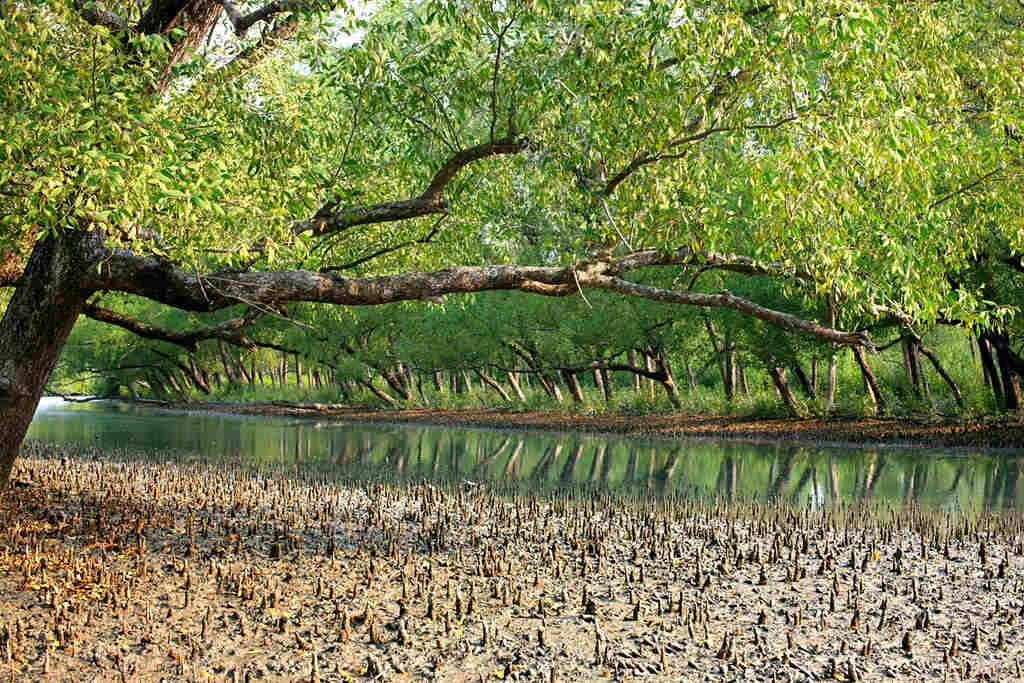
The Sundarbans Mangrove Forest Bangladesh is one of the most extraordinary natural destinations on Earth. Recognized as a UNESCO World Heritage Site, it is the world’s largest continuous mangrove forest, stretching across the southern delta of Bangladesh and eastern India. Covering nearly 10,000 square kilometers, the Sundarbans is famous for its incredible biodiversity, winding rivers, mysterious creeks, and the majestic Royal Bengal Tiger.
For travelers from the USA, Europe, Australia, and around the world, the Sundarbans offers an adventure unlike any other. Instead of crowded tourist attractions, you’ll discover untouched wilderness, peaceful waterways, colorful birdlife, playful dolphins, ancient watchtowers, and authentic village life. Every boat journey through the forest reveals a new side of Bangladesh’s natural beauty.
Whether you’re a wildlife enthusiast, nature photographer, birdwatcher, adventure traveler, or simply someone seeking a once-in-a-lifetime experience, the Sundarbans Mangrove Forest Bangladesh deserves a place on your travel bucket list.
If you’re planning your first visit to Bangladesh, combining the Sundarbans with a Sundarbans and Bagerhat Tour creates one of the country’s most rewarding travel experiences. Likewise, visitors interested in Bangladesh’s history often combine this journey with World Heritage and Historical Places Tours for a complete cultural and natural adventure.
What is the Sundarbans Mangrove Forest Bangladesh?
The Sundarbans is the world’s largest natural mangrove ecosystem, formed where the mighty Ganges, Brahmaputra, and Meghna rivers meet the Bay of Bengal. This enormous delta has developed over thousands of years through river sediments, creating an intricate network of tidal rivers, canals, mudflats, and dense mangrove forests.
The name “Sundarbans” is widely believed to originate from the “Sundari” tree (Heritiera fomes), one of the dominant mangrove species found throughout the forest. These remarkable trees are specially adapted to survive in salty tidal waters, making the forest one of the most unique ecosystems on the planet.
Unlike traditional forests, the Sundarbans changes dramatically throughout the day as tides rise and fall. During high tide, many forest paths disappear beneath the water, while low tide reveals muddy riverbanks, crab colonies, and countless migratory birds searching for food.
This constantly changing environment creates one of the richest biodiversity hotspots in Asia.
Why the Sundarbans is Famous Around the World
The Sundarbans attracts scientists, conservationists, photographers, and travelers because of its unmatched ecological importance.
Several remarkable features make it globally significant:
- World’s largest contiguous mangrove forest
- UNESCO World Heritage Site
- Home of the famous Royal Bengal Tiger
- Largest remaining habitat for estuarine crocodiles in Bangladesh
- One of the most important coastal ecosystems protecting millions from cyclones
- Rich habitat for dolphins, spotted deer, monkeys, otters, reptiles, and over 300 bird species
- One of South Asia’s premier eco-tourism destinations
For many international travelers, visiting the Sundarbans means experiencing one of the last great wilderness areas left in the world.
A Brief History of the Sundarbans
The Sundarbans has played a vital role in Bengal’s history for centuries. Ancient traders, fishermen, honey collectors, and woodcutters depended on the forest for their livelihoods long before modern tourism existed.
Historical records indicate that parts of the Sundarbans were once inhabited by small settlements, many of which were abandoned due to changing river systems, tidal flooding, and wildlife.
Today, local communities continue traditional occupations such as fishing, crab collection, honey harvesting, and collecting golpata (Nypa palm leaves), all while respecting strict conservation rules established by the Bangladesh Forest Department.
The forest remains not only a natural treasure but also an essential part of Bangladesh’s cultural and economic heritage.
UNESCO World Heritage Recognition
The Bangladesh portion of the Sundarbans was inscribed as a UNESCO World Heritage Site in 1997 due to its exceptional biodiversity and ecological value.
UNESCO recognizes the Sundarbans because it:
- Protects rare and endangered wildlife
- Preserves one of the world’s most productive ecosystems
- Supports thousands of plant and animal species
- Serves as a natural barrier against tropical cyclones and coastal erosion
- Demonstrates outstanding ecological processes that continue to shape the Bengal Delta
Its international recognition has helped increase conservation efforts while encouraging responsible eco-tourism.
Wildlife of the Sundarbans Mangrove Forest Bangladesh
The Sundarbans is often called Bangladesh’s wildlife paradise.
Every river cruise offers opportunities to encounter fascinating species in their natural habitat.
Royal Bengal Tiger
The Royal Bengal Tiger is undoubtedly the forest’s most famous resident. The Sundarbans supports one of the world’s only populations of tigers adapted to living in mangrove environments.
Unlike other tiger habitats, these tigers are excellent swimmers and often cross wide rivers while hunting or moving between territories.
Although tiger sightings remain rare due to the dense forest, knowing these magnificent predators inhabit the area adds excitement to every journey.
Spotted Deer
Thousands of spotted deer roam the forest and are among the easiest animals for visitors to observe.
Early morning and late afternoon provide the best opportunities to see herds grazing near riverbanks.
Saltwater Crocodiles
The Sundarbans contains one of Bangladesh’s largest populations of saltwater crocodiles.
These ancient reptiles inhabit tidal rivers, muddy estuaries, and quiet creeks throughout the forest.
Irrawaddy and Ganges Dolphins
One of the highlights of any Sundarbans boat safari is spotting freshwater dolphins.
Visitors frequently encounter:
- Irrawaddy Dolphins
- Ganges River Dolphins
Watching these gentle creatures surface beside your boat is a truly unforgettable experience.
Rich Birdlife
Bird enthusiasts will discover hundreds of fascinating species, including:
- White-bellied Sea Eagle
- Brahminy Kite
- Kingfishers
- Lesser Adjutant Stork
- Egrets
- Herons
- Black-capped Kingfisher
- Osprey
- Sandpipers
- Migratory waterbirds during winter
The Sundarbans is considered one of Bangladesh’s premier birdwatching destinations.
Other Wildlife
Additional wildlife includes:
- Wild boars
- Fishing cats
- Monitor lizards
- Rhesus macaques
- Otters
- Water monitors
- Mudskippers
- Horseshoe crabs
- Numerous snake species
- Colorful butterflies and insects
Every journey offers different wildlife encounters depending on tides, season, and weather.
Why Visit the Sundarbans Mangrove Forest Bangladesh
The Sundarbans is much more than a wildlife destination.
It offers experiences that few places in the world can match.
Visitors come to:
- Cruise through peaceful mangrove rivers
- Experience authentic eco-tourism
- Photograph spectacular wildlife
- Watch breathtaking sunsets over tidal rivers
- Observe local fishing communities
- Explore remote forest watchtowers
- Learn about mangrove ecology
- Discover one of Bangladesh’s greatest natural treasures
Nature lovers often combine their forest adventure with Sreemangal and Sylhet Tour to experience Bangladesh’s lush tea gardens, while culture enthusiasts extend their itinerary with Discover Dhaka City or an Old Dhaka Tour for a complete introduction to Bangladesh’s history and heritage.
Top Attractions Inside the Sundarbans Mangrove Forest Bangladesh
One of the biggest reasons travelers choose the Sundarbans Mangrove Forest Bangladesh is the variety of natural attractions scattered throughout the forest. Every river, canal, and watchtower offers a different perspective of this incredible ecosystem. Whether you’re visiting for wildlife photography, birdwatching, or simply enjoying nature, these attractions should be on your itinerary.
Kotka Wildlife Sanctuary
Kotka is one of the most famous destinations inside the Sundarbans and is considered one of the best places to observe wildlife. Located deep within the forest, Kotka combines dense mangrove vegetation, open grasslands, and coastal beaches.
Visitors often spot:
- Spotted Deer
- Wild Boars
- Rhesus Macaques
- Various reptiles
- Numerous bird species
Kotka is also regarded as one of the best areas for tracking the elusive Royal Bengal Tiger. While sightings are never guaranteed, fresh tiger footprints are occasionally seen along forest trails.
The observation tower at Kotka provides panoramic views of the surrounding mangrove forest and offers excellent opportunities for wildlife photography.
Karamjal Eco Tourism Center
Karamjal is the most accessible eco-tourism destination in the Sundarbans, making it an ideal option for first-time visitors or those with limited travel time.
Located near Mongla, Karamjal features:
- Elevated wooden boardwalks
- Crocodile breeding center
- Deer enclosure
- Mangrove interpretation center
- Observation tower
- Educational displays about mangrove ecology
Families, students, and international tourists often begin their Sundarbans journey here before venturing deeper into the forest.
Hiron Point (Nilkamal)
Hiron Point, also known as Nilkamal, is one of the most scenic wildlife destinations in the Sundarbans and has been recognized internationally for its biodiversity.
This protected sanctuary is famous for:
- Royal Bengal Tiger habitat
- Chital (Spotted Deer)
- Estuarine Crocodiles
- Wild Boars
- Monitor Lizards
- Rich birdlife
The watchtower overlooking the forest offers an exceptional opportunity to observe wildlife without disturbing their natural environment.
Sunrise and sunset at Hiron Point are among the most beautiful moments visitors experience during their Sundarbans expedition.
Harbaria Eco Tourism Center
Harbaria offers shorter forest walks through elevated wooden trails, allowing visitors to experience the mangrove ecosystem up close while minimizing environmental impact.
The peaceful walking trails are surrounded by:
- Sundari trees
- Gewa trees
- Goran trees
- Mangrove palms
- Birdlife
- Butterflies
Interpretation boards throughout the trail explain the unique ecology of the world’s largest mangrove forest.
Dublar Char
Located along the southern edge of the Sundarbans near the Bay of Bengal, Dublar Char is famous for its seasonal fishing communities and traditional fish drying activities.
Every year during the Rash Mela festival, thousands of Hindu pilgrims visit Dublar Char, creating one of the most unique cultural experiences within the Sundarbans region.
Visitors enjoy:
- Coastal scenery
- Traditional fishing villages
- Migratory birds
- Sunrise over the Bay of Bengal
- Local seafood
Jamtola Beach
Unlike crowded beaches elsewhere, Jamtola Beach remains peaceful and largely untouched.
Surrounded by mangrove forest, visitors can enjoy:
- Quiet shoreline walks
- Birdwatching
- Coastal wildlife
- Beautiful sunsets
- Photography opportunities
The combination of forest and sea makes this one of Bangladesh’s most unique coastal landscapes.
Things to Do in the Sundarbans Mangrove Forest Bangladesh
Every journey through the Sundarbans offers unforgettable experiences beyond sightseeing.
Take a Sundarbans Boat Safari
A boat safari is the heart of every Sundarbans adventure.
Unlike traditional wildlife safaris, nearly all exploration takes place aboard specially designed tourist boats that navigate through rivers, canals, and narrow creeks.
During a boat safari you may witness:
- Dolphins swimming beside the boat
- Crocodiles sunbathing on muddy banks
- Deer grazing along the shoreline
- Eagles soaring overhead
- Colorful kingfishers diving into the water
The peaceful rhythm of traveling through winding waterways creates a truly immersive nature experience.
Experience Wildlife Photography
The Sundarbans is one of South Asia’s finest wildlife photography destinations.
Professional photographers visit from around the world to capture:
- Royal Bengal Tiger habitat
- Mangrove landscapes
- Fishermen at work
- Traditional boats
- River reflections
- Birds in flight
- Crocodiles
- Sunrise and sunset scenes
If you’re passionate about photography, consider combining your adventure with our Street Photography Tour in Dhaka to experience both Bangladesh’s vibrant urban life and its stunning natural landscapes.
Bird Watching
The Sundarbans is home to more than 300 bird species, making it a paradise for birdwatchers.
Popular sightings include:
- White-bellied Sea Eagle
- Brahminy Kite
- Black-capped Kingfisher
- Storks
- Herons
- Egrets
- Ospreys
- Woodpeckers
- Sandpipers
- Migratory ducks during winter
The early morning hours provide the best birdwatching opportunities.
Watch Dolphins in Their Natural Habitat
Unlike marine parks, dolphins in the Sundarbans live completely wild.
Visitors often encounter:
- Irrawaddy Dolphins
- Ganges River Dolphins
Watching these rare freshwater dolphins surface quietly beside your boat becomes one of the highlights of the journey.
Explore Mangrove Trails
Several protected walking trails allow visitors to experience the mangrove forest on foot.
These elevated paths provide opportunities to observe:
- Mangrove root systems
- Mudskippers
- Crabs
- Small reptiles
- Native plants
- Butterflies
Walking through the forest offers a completely different perspective from traveling by boat.
Best Time to Visit the Sundarbans Mangrove Forest Bangladesh
Choosing the right season significantly improves your experience.
Winter (November – February)
This is widely considered the best time to visit.
Advantages include:
- Pleasant temperatures
- Low humidity
- Excellent wildlife visibility
- Comfortable boat journeys
- Ideal birdwatching
- Clear skies for photography
Most international visitors plan their tours during these months.
Spring (March – April)
Spring brings warmer temperatures but offers excellent photography opportunities.
Visitors may enjoy:
- Blooming mangrove vegetation
- Active wildlife
- Beautiful sunsets
- Fewer tourist crowds
Monsoon (June – September)
The rainy season transforms the forest into a lush green paradise.
While boat travel remains possible, heavy rainfall and stronger tides can limit wildlife viewing.
This season is recommended mainly for experienced photographers seeking dramatic landscapes.
How to Reach the Sundarbans from Dhaka
Most tours begin in Dhaka before traveling southwest toward Mongla or Khulna.
By Road
Travel from Dhaka to Khulna or Mongla by air-conditioned coach.
Journey time:
- Approximately 7–9 hours depending on traffic.
By Train
Several trains connect Dhaka with Khulna, offering a comfortable alternative for travelers.
From Khulna, visitors continue by private vehicle or tour transport to Mongla.
By Air
Fly from Dhaka to Jashore Airport.
From there:
- Private transfer to Khulna
- Continue to Mongla
- Board your Sundarbans cruise boat
Flying significantly reduces travel time.
Where to Stay
Accommodation depends on your itinerary.
Options include:
- Eco Lodges
- Tourist Resorts
- Hotels in Khulna
- Hotels in Mongla
- Liveaboard Tourist Boats
Most multi-day tours include accommodation aboard comfortable tourist vessels equipped with cabins, dining areas, and observation decks.
Why Explore the Sundarbans with Bangladesh Explore
Planning a trip to the Sundarbans requires local expertise, experienced guides, and well-organized transportation.
As one of the Best Tour Agency in Bangladesh, Bangladesh Explore specializes in creating authentic, safe, and unforgettable travel experiences for international visitors.
Our experienced local guides help you discover hidden waterways, observe wildlife responsibly, and learn about the unique ecology and culture of the Sundarbans.
Many travelers combine the Sundarbans adventure with our World Heritage and Historical Places Tours, explore the vibrant capital through Discover Dhaka City, or extend their journey with an Old Dhaka Tour. Nature lovers can continue exploring Bangladesh with our Sreemangal and Sylhet Tour, while those interested in northern heritage often choose our North Bengal Tour for a complete Bangladesh travel experience.
Responsible Tourism in the Sundarbans Mangrove Forest Bangladesh
The Sundarbans Mangrove Forest Bangladesh is one of the world’s most fragile ecosystems. Every visitor plays an important role in protecting its biodiversity and ensuring future generations can enjoy this UNESCO World Heritage Site.
Responsible tourism helps preserve the delicate balance between wildlife, local communities, and nature while supporting sustainable livelihoods for the people living around the forest.
When visiting the Sundarbans, travelers should:
- Never feed or disturb wildlife.
- Avoid making loud noises that may frighten animals.
- Stay with your licensed guide during forest walks.
- Dispose of all waste responsibly.
- Avoid using single-use plastics whenever possible.
- Respect protected wildlife zones and conservation regulations.
- Support local businesses and eco-friendly tourism initiatives.
- Never attempt to approach or photograph wildlife too closely.
By choosing responsible travel, you contribute directly to the long-term conservation of the Sundarbans and its incredible biodiversity.
Suggested 3-Day Sundarbans Tour Itinerary
A well-planned itinerary allows visitors to experience the best of the Sundarbans while enjoying a comfortable and safe journey.
Day 1 – Dhaka to Mongla and River Cruise
Begin your adventure by traveling from Dhaka to Mongla, the primary gateway to the Sundarbans.
Highlights include:
- Scenic countryside drive
- Boarding your cruise vessel
- River journey through mangrove canals
- Sunset over the forest
- Overnight stay on the cruise boat
Day 2 – Wildlife Exploration
This is the most exciting day of your journey.
Activities include:
- Early morning wildlife safari
- Visit Kotka Wildlife Sanctuary
- Explore Karamjal or Hiron Point
- Birdwatching
- Crocodile and deer sightings
- Nature photography
- Evening cultural program (depending on tour package)
Day 3 – Return Journey
Enjoy one final sunrise over the mangrove forest before beginning your return trip.
Depending on your route, you may also visit nearby attractions before traveling back to Dhaka.
Essential Travel Tips
International visitors can enjoy a much smoother experience by planning ahead.
Before your trip:
- Book tours several weeks in advance during peak season.
- Carry your passport and identification.
- Wear lightweight clothing suitable for tropical weather.
- Use sunscreen and insect repellent.
- Bring binoculars for wildlife viewing.
- Carry a waterproof bag for electronics.
- Keep cash for local purchases.
- Follow all safety instructions provided by your guide.
Travel insurance is also recommended for international visitors exploring remote destinations.
What to Pack for Your Sundarbans Adventure
Packing smart will make your journey more comfortable.
Recommended items include:
- Lightweight breathable clothing
- Long-sleeve shirts
- Comfortable walking shoes
- Sunglasses
- Hat or cap
- Sunscreen
- Insect repellent
- Camera with zoom lens
- Binoculars
- Portable charger
- Personal medications
- Reusable water bottle
- Waterproof backpack
Why the Sundarbans Should Be on Every Traveler’s Bucket List
Very few places in the world offer an experience quite like the Sundarbans Mangrove Forest Bangladesh. It combines extraordinary biodiversity, breathtaking landscapes, fascinating wildlife, rich local traditions, and unforgettable river journeys into one incredible destination.
Whether you’re searching for the Royal Bengal Tiger, photographing rare birds, cruising through peaceful waterways, or simply reconnecting with nature, the Sundarbans delivers experiences that stay with you long after your journey ends.
If you’re planning your first trip to Bangladesh, the Sundarbans deserves a place at the very top of your itinerary.
Frequently Asked Questions (FAQ)
What is the Sundarbans Mangrove Forest Bangladesh famous for?
The Sundarbans Mangrove Forest Bangladesh is famous for being the world’s largest mangrove forest and the natural habitat of the Royal Bengal Tiger. It is also recognized as a UNESCO World Heritage Site and is home to hundreds of species of birds, mammals, reptiles, and aquatic life.
Where is the Sundarbans Mangrove Forest located?
The Sundarbans stretches across southwestern Bangladesh and eastern India. Approximately 60% of the forest lies in Bangladesh, covering parts of Khulna, Satkhira, and Bagerhat districts.
What is the best time to visit the Sundarbans Mangrove Forest Bangladesh?
The best time to visit is from November to February, when the weather is cool, wildlife is more active, and boat journeys are comfortable.
Can tourists see the Royal Bengal Tiger?
Tiger sightings are rare because these magnificent animals naturally avoid humans. However, visitors often discover fresh footprints, claw marks, and other signs of tiger activity. Protected areas such as Kotka and Hiron Point offer the best opportunities.
How many days are enough for a Sundarbans tour?
A 3-day and 2-night tour is considered ideal. It allows enough time to explore major attractions, enjoy wildlife safaris, and experience the beauty of the mangrove forest without feeling rushed.
Is the Sundarbans safe for international tourists?
Yes. Organized tours with experienced guides are generally very safe. Visitors should always follow the instructions of licensed guides and avoid entering restricted forest areas independently.
What wildlife can I see besides the Royal Bengal Tiger?
The Sundarbans is home to Spotted Deer, Saltwater Crocodiles, Irrawaddy Dolphins, Ganges River Dolphins, Wild Boars, Monitor Lizards, Otters, Monkeys, and more than 300 species of birds.
How do I reach the Sundarbans from Dhaka?
Travelers usually reach Khulna or Mongla from Dhaka by road, train, or domestic flight (via Jashore). From Mongla, boats take visitors deep into the Sundarbans.
Is a guide required to visit the Sundarbans?
Yes. Visitors should travel with licensed tour operators and certified local guides for safety, navigation, and compliance with Bangladesh Forest Department regulations.
Why book a Sundarbans tour with Bangladesh Explore?
Bangladesh Explore offers professionally guided tours, experienced local experts, comfortable transportation, customized itineraries, and authentic cultural experiences. As one of the Best Tour Agency in Bangladesh, we help international travelers safely explore the country’s most iconic natural attractions while also offering experiences such as Sundarbans and Bagerhat Tour, Old Dhaka Tour, Dhaka Food Tour, Street Photography Tour in Dhaka, Sreemangal and Sylhet Tour, North Bengal Tour, World Heritage and Historical Places Tours, Discover Dhaka City, Visiting Panam City, and Half-Day Tour Dhaka.
The Sundarbans Mangrove Forest Bangladesh is far more than a national park—it’s one of the planet’s greatest natural treasures. From its winding tidal rivers and ancient mangrove trees to its incredible wildlife and UNESCO World Heritage status, the Sundarbans offers an unforgettable journey into one of Earth’s most remarkable ecosystems.
Whether you’re a wildlife enthusiast, photographer, adventure traveler, or cultural explorer, this extraordinary destination promises memories that will last a lifetime. Beyond its breathtaking scenery, a visit supports conservation efforts and local communities dedicated to protecting this irreplaceable landscape.
If you’re planning a trip from the USA or anywhere in the world, let Bangladesh Explore help you discover the authentic beauty of Bangladesh through expertly designed, sustainable, and unforgettable travel experiences.