Most Travelers Never Seriously Consider Bangladesh. But actually is like to visit Bangladesh?
When people begin planning a journey through South Asia, the conversation usually follows a familiar path. India promises extraordinary diversity, Nepal draws trekkers towards the Himalayas, Sri Lanka combines wildlife with tropical beaches, and Bhutan appeals to travelers looking for a quieter mountain escape. Bangladesh rarely appears on that first shortlist—not because it lacks remarkable places to visit, but because it has never occupied the same place in the global travel imagination.
For decades, Bangladesh has been introduced to much of the world through news coverage rather than travel writing. As a result, many visitors arrive with a narrow picture of the country, shaped more by headlines than by its landscapes, culture, and everyday life. What they discover instead is a country of vast river networks, the world’s largest mangrove forest, centuries-old archaeological sites, tea-growing regions, and forested hills that few international travelers expect to find.
Perhaps the biggest surprise is that Bangladesh doesn’t feel built for tourism. Ferries carry commuters rather than sightseers, local markets exist for the communities they serve, and many of the country’s most memorable experiences happen away from famous landmarks. That isn’t a weakness—it’s what gives Bangladesh its character. Travelers looking for polished resorts and predictable itineraries may find easier destinations elsewhere. Those who enjoy understanding a place through its people, landscapes, and everyday rhythms often leave wondering why they hadn’t considered Bangladesh sooner.
Travel Here for Experiences, Not Attractions
Bangladesh isn’t a country that reveals itself through a checklist of famous sights. Its appeal lies in the experiences that connect those places together. An overnight journey along the rivers of the delta, a morning walk through the tea estates of Srimangal, the quiet waterways of the Sundarbans, or a drive into the hills of Bandarban often leave a deeper impression than any single viewpoint or monument.
That is partly because Bangladesh is best understood through movement. The rivers are still working transport routes, the markets still exist for local communities, and historic neighbourhoods continue to function much as they always have. Tourism fits into everyday life here rather than the other way around, giving visitors an experience that feels less curated and more genuine.
Travelers who approach Bangladesh expecting a fast-paced itinerary of famous attractions sometimes struggle to connect with it. Those who slow down, spend time between destinations, and remain curious often discover that the journey itself becomes the highlight. In Bangladesh, the most memorable moments are rarely the ones planned in advance.
The Journey Often Becomes the Destination
One of the biggest differences between traveling in Bangladesh and many other destinations in South Asia is that some of the country’s most memorable experiences begin long before you reach the place you intended to visit.
An overnight launch from Dhaka to Barisal isn’t simply transportation across the river delta; it’s an opportunity to experience one of the world’s busiest inland waterways alongside families returning home, traders transporting goods, and commuters who have relied on these routes for generations. Likewise, a train journey through the northeast gradually introduces Bangladesh’s changing landscapes, while the winding roads leading into Bandarban become part of the adventure rather than an obstacle to it.
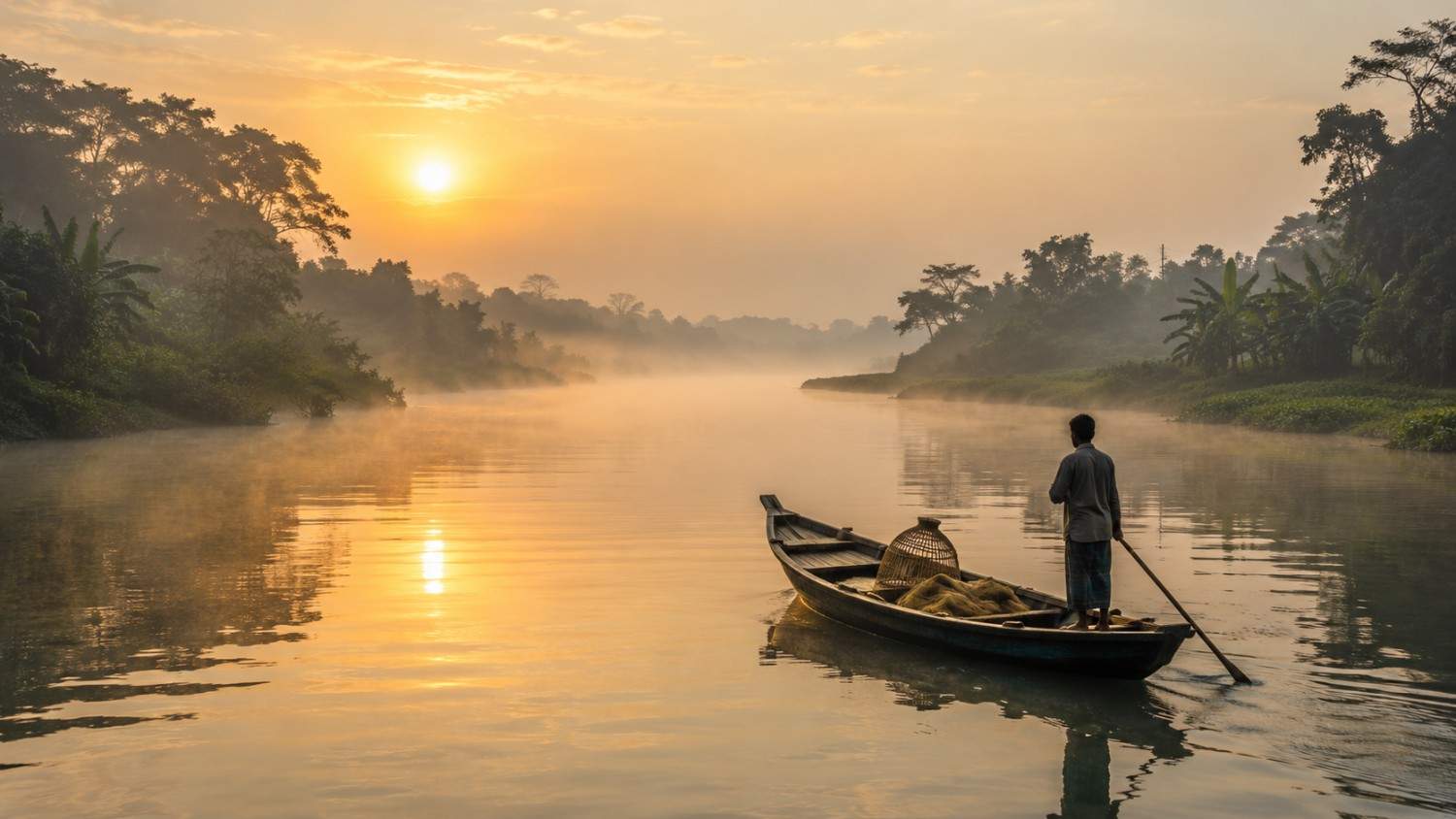
This isn’t a country where travel exists only to connect attractions. The movement itself often becomes part of the story. Watching the sunrise from a launch deck, sharing tea during a roadside stop, or looking out across rivers, farmland, and villages as the scenery changes from one district to another offers a perspective that no itinerary can fully describe.
For travelers accustomed to measuring a destination by its landmarks, Bangladesh offers a quiet reminder that sometimes the most rewarding part of a journey happens between them.
Destinations That Still Feel Genuine
Bangladesh has no shortage of remarkable places to visit, but what distinguishes many of them is that they continue to exist primarily for the people who live and work there rather than for the tourists who visit.
The Sundarbans remain a living ecosystem where fishermen, honey collectors, and forest officials have built their livelihoods around the rhythms of the tides. Old Dhaka is not a preserved historic quarter but a neighbourhood where centuries-old buildings continue to sit alongside workshops, markets, and family businesses. In Srimangal, tea estates are productive agricultural landscapes before they are visitor attractions, while the hills of Bandarban reveal communities, cultures, and scenery that have developed on their own terms rather than around international tourism.
This sense of authenticity doesn’t mean these destinations are untouched or isolated. It means they have retained their original purpose. Visitors are invited into places that already have their own identity instead of environments carefully designed to meet tourist expectations.
That distinction shapes the experience in subtle but meaningful ways. Rather than feeling like an observer moving from attraction to attraction, you’re more likely to feel like a guest discovering a country through the places that matter most to the people who call it home.
Why Slowing Down Changes Everything
It’s easy to underestimate Bangladesh by trying to experience it too quickly.
The temptation is understandable. Like any new destination, there’s a desire to see as much as possible before moving on. Yet Bangladesh rarely rewards that approach. Its character reveals itself gradually, through conversations, changing landscapes, and the rhythm of daily life that unfolds between the highlights.
Spend an extra morning in Old Dhaka instead of rushing to the next destination, and you’ll notice the city waking up in layers. Stay a little longer in the Sundarbans, and you’ll begin to understand that the forest is defined as much by silence and patience as by the possibility of spotting wildlife. Drive through Bandarban without constantly checking the clock, and you’ll realise that the journey through the hills is every bit as memorable as the viewpoints themselves.
Perhaps that’s why travelers often describe Bangladesh differently after they’ve returned home. They don’t just remember where they went; they remember how the country made them travel. Slower, more attentively, and with a greater appreciation for the experiences that can’t be planned in advance.
What Kind of Traveler Enjoys Bangladesh?
Bangladesh isn’t a destination that tries to appeal to everyone, and that’s one of its strengths. The travelers who enjoy it most are usually those who value curiosity over convenience and experiences over checklists.
If you enjoy understanding how a place works rather than simply photographing it, Bangladesh has a great deal to offer. River journeys reveal how transport still shapes everyday life, local markets provide insight into regional food cultures, and conversations with guides, artisans, and community members often become as memorable as the landscapes themselves. It’s the kind of destination where slowing down usually leads to a richer experience.
On the other hand, travelers whose priority is luxury resorts, nightlife, or visiting internationally famous landmarks may find neighbouring countries a better fit. Bangladesh asks for a little more flexibility and rewards it with something increasingly uncommon: the feeling that you’re experiencing a country on its own terms rather than following a well-established tourist trail.
Is Bangladesh the Right Destination for You?
Not every destination suits every traveler, and Bangladesh is no exception. That’s one of its strengths.
The country isn’t trying to compete with destinations known for luxury resorts, world-famous landmarks, or highly curated visitor experiences. Instead, it offers something increasingly uncommon: the opportunity to experience a place that continues to function primarily for the people who live there. Whether that feels exciting or challenging depends largely on what you’re looking for in a journey.
For travelers who value discovery over familiarity, Bangladesh can be remarkably rewarding. Those who prefer predictable itineraries and polished tourism infrastructure may find neighboring destinations a more comfortable choice. Neither approach is right or wrong—they simply lead to different kinds of travel experiences.
You’ll Probably Enjoy Bangladesh If…
Some countries impress you with famous landmarks. Bangladesh tends to leave an impression for different reasons.
You may find yourself drawn to the country if you enjoy traveling slowly, taking the scenic route, and spending time understanding how a place works beyond its headline attractions. It’s a destination for travelers who don’t mind changing plans when a local recommendation sounds more interesting than the original itinerary, or lingering in a neighborhood simply because everyday life unfolding around them feels worth watching.
Photography enthusiasts often appreciate the country’s visual diversity, from the narrow streets of Old Dhaka and the rivers of the southern delta to the tea estates of Srimangal and the hills of Bandarban. Wildlife enthusiasts are drawn to the Sundarbans, while cultural travelers often discover that Bangladesh’s greatest strength lies not in isolated monuments but in the way history continues to shape daily life.
If you measure a successful trip by the stories you bring home rather than the number of attractions you visit, Bangladesh is likely to reward your curiosity.
Bangladesh May Not Be the Best Fit If…
Just as importantly, it’s worth recognizing when another destination might suit your expectations better.
If your ideal holiday revolves around luxury beach resorts, internationally recognized landmarks, or an itinerary where every attraction is easily reached with minimal travel, Bangladesh may feel more demanding than neighboring countries. Distances between regions can be significant, transport is part of the experience, and many of the country’s highlights reveal themselves gradually rather than immediately.
Travelers expecting a destination built entirely around tourism may also be surprised. Bangladesh is welcoming, but it hasn’t reshaped itself to meet international expectations. That’s precisely what many visitors come to appreciate, though it does require a little more flexibility and an open mind.
The country asks you to participate rather than simply observe, and that isn’t the kind of travel everyone is looking for.
Who Gets the Most Out of a Trip to Bangladesh?
Rather than asking whether Bangladesh is a good destination, it’s more useful to ask whether it matches the way you like to travel.
| If You Enjoy… | Bangladesh is Likely to Suit You |
| Cultural experiences | ★★★★★ |
| Nature and wildlife | ★★★★★ |
| Photography | ★★★★★ |
| History and heritage | ★★★★☆ |
| Food and local cuisine | ★★★★☆ |
| Slow, immersive travel | ★★★★★ |
| Adventure and hiking | ★★★★☆ |
| Luxury-focused holidays | ★★☆☆☆ |
| Resort-style vacations | ★★☆☆☆ |
No country appeals to everyone.
Bangladesh doesn’t try to.
Its appeal lies in offering experiences that feel genuine rather than manufactured, and that naturally attracts a particular kind of traveler. If you’ve ever returned from a trip talking more about the people you met than the landmarks you photographed, there’s a good chance Bangladesh will resonate with you as well.
What First-Time Visitors Should Know
By now, you’ve probably decided whether Bangladesh belongs on your travel list. Before you start planning, however, it’s worth understanding a few things that shape the experience for first-time visitors. None of them are obstacles, but knowing what to expect will help you travel with greater confidence and appreciate the country on its own terms.
Bangladesh Rewards Flexibility
One of the easiest ways to enjoy Bangladesh is to leave a little room for the unexpected.
Travel here doesn’t always unfold with clockwork precision, and that’s part of its character. Weather can influence river journeys, road conditions may affect travel times, and a spontaneous recommendation from a local guide might become the highlight of your day. Rather than viewing these moments as inconveniences, many experienced travelers come to see them as part of what makes the country memorable.
A flexible itinerary doesn’t mean poor planning. It simply means allowing Bangladesh the space to surprise you.
Hospitality Is Part of the Experience
Ask travelers what they remember most about Bangladesh, and many will mention the people before they mention the places.
Whether you’re sharing tea with a shopkeeper, asking for directions in a village, or chatting with fellow passengers during an overnight journey, genuine curiosity and hospitality often become part of the travel experience. These interactions rarely appear in guidebooks, yet they frequently become the stories visitors tell long after they’ve returned home.
Approaching those encounters with patience, respect, and an open mind often leads to a deeper understanding of the country than any itinerary alone can provide.
A Little Preparation Goes a Long Way
Bangladesh isn’t a difficult destination to visit, but it’s a country where preparation makes a noticeable difference.
Choosing the right season, understanding travel times between regions, dressing appropriately when visiting religious sites, and planning realistic journeys all contribute to a smoother experience. Rather than trying to fit every highlight into a single trip, focus on a handful of regions and allow yourself time to experience them properly.
Many travelers discover that Bangladesh isn’t a destination to “complete.” It’s one that invites you back.
Start with the Right Region
Bangladesh offers remarkably different experiences depending on where you begin.
If wildlife and nature appeal to you, the Sundarbans provide an unforgettable introduction to the country’s unique river ecosystem. Travelers drawn to mountain landscapes and outdoor adventures often choose Bandarban, while Old Dhaka offers a fascinating glimpse into the country’s history, architecture, and urban culture. Those looking for a quieter pace frequently find themselves in Srimangal, where tea estates and forests create a completely different atmosphere.
There isn’t a single correct starting point. The best choice depends on the kind of journey you’re hoping to have, and that’s one of Bangladesh’s greatest strengths. Each region tells a different story, yet together they create a richer understanding of the country than any one destination could provide.
If Bangladesh feels like the kind of destination you’ve been looking for, the next step isn’t deciding whether to visit—it’s deciding where to begin. Our destination guides and carefully designed itineraries are intended to help international travelers experience the country thoughtfully, at a pace that allows each region to reveal its own character.
Final Thoughts
Bangladesh doesn’t ask to be compared with the most visited destinations in South Asia, nor does it try to compete for attention through bigger landmarks or more luxurious resorts. Its appeal lies elsewhere—in the quiet confidence of a country that has remained true to itself while much of the world has become increasingly shaped by tourism.
For some travelers, that difference will be exactly the reason to visit. For others, it may not be the right fit, and that’s perfectly reasonable. The best journeys are rarely chosen because they’re popular; they’re chosen because they match the kind of traveler you are.
If you enjoy destinations where the journey matters as much as the destination, where conversations are just as memorable as viewpoints, and where everyday life is still the country’s greatest attraction, Bangladesh deserves a place on your travel list.
Perhaps not because it’s the most famous destination in South Asia.
But because it might become one of the most memorable.
Frequently Asked Questions If You are to Visit Bangladesh
Is Bangladesh worth visiting?
If you’re looking for a destination that offers polished resorts, globally famous landmarks, or a predictable tourist experience, Bangladesh may not be the first country you’d choose in South Asia.
If, however, you value authentic cultural experiences, diverse landscapes, wildlife, history, and the opportunity to explore a country that remains largely untouched by mass tourism, Bangladesh is well worth considering. Many visitors discover that the experiences they remember most aren’t individual attractions, but the people they meet, the journeys they take, and the everyday moments that unfold along the way.
What makes Bangladesh different from other South Asian destinations?
Rather than competing with its neighbours, Bangladesh offers a different perspective on the region.
Instead of Himalayan trekking, you’ll find one of the world’s largest river deltas. Instead of tourism-focused beach towns, you’ll discover communities where rivers remain an essential part of daily life. Ancient mosques, Buddhist temples, tea estates, mangrove forests, and forested hills all exist within a relatively compact country, making it possible to experience remarkable diversity without crossing international borders.
Perhaps most importantly, tourism still feels secondary to everyday life, giving visitors an experience that many describe as refreshingly genuine.
Is Bangladesh a good destination for first-time visitors to South Asia?
Yes, particularly for travelers who prefer meaningful experiences over conventional sightseeing.
Bangladesh offers an introduction to South Asia that feels less commercial and more immersive. While it requires a little more flexibility than some neighbouring destinations, many first-time visitors appreciate the opportunity to experience local culture in a setting that hasn’t been shaped primarily around international tourism.
Planning your journey carefully and allowing enough time between destinations will help you make the most of your visit.
When is the best time to visit Bangladesh?
The most comfortable time to visit is generally between October and March, when temperatures are cooler and humidity is lower. This season is well suited to exploring cities, wildlife areas, tea estates, and the hill districts.
The monsoon months bring dramatic green landscapes and excellent photography opportunities, although heavy rainfall may occasionally affect travel plans in some regions.
For a detailed month-by-month guide, read our Best Time to Visit Bangladesh article.
How many days do you need to explore Bangladesh?
While it’s possible to experience a single region in just a few days, most international travelers benefit from spending seven to ten days in Bangladesh.
This allows enough time to combine cultural experiences, wildlife, and one or two additional regions without rushing between destinations. Rather than trying to see everything, focus on experiences that match your interests and travel at a comfortable pace.
What are the best places to visit in Bangladesh?
That depends on the kind of journey you’re looking for.
Nature lovers often begin with the Sundarbans, while photographers are drawn to the tea estates of Srimangal and the hill landscapes of Bandarban. Travelers interested in history and architecture usually spend time exploring Old Dhaka and UNESCO World Heritage Sites, while those seeking a uniquely local experience often remember an overnight river journey between Dhaka and Barisal as one of the highlights of their trip.
Each region offers a different perspective on Bangladesh, which is why many visitors choose to combine more than one destination.
Is Bangladesh expensive to visit?
Compared with many international destinations, Bangladesh offers excellent value for travelers.
Accommodation, transportation, and dining are generally affordable, while guided tours can often be tailored to different budgets and travel styles. The overall cost of your trip will depend on your itinerary, accommodation preferences, and whether you choose private or small-group experiences.
Can I travel independently in Bangladesh?
Independent travel is certainly possible, and many visitors enjoy exploring parts of the country on their own.
That said, some regions—particularly the Sundarbans and parts of Bandarban—are often better experienced with knowledgeable local guides who can help with logistics, interpretation, and responsible travel practices. A guided itinerary also makes it easier to maximise your time, especially if you’re visiting Bangladesh for the first time.
Why do so few international travelers visit Bangladesh?
Bangladesh has traditionally received less international tourism than many of its neighbours, largely because it hasn’t been promoted as heavily on the global travel stage.
For curious travelers, however, this can be part of its appeal. Many of the country’s most rewarding experiences remain remarkably authentic, allowing visitors to explore landscapes and communities that haven’t been shaped primarily around tourism.
Is Bangladesh the right destination for me?
The answer depends on what you hope to gain from travel.
If your ideal trip involves luxury resorts, iconic landmarks, and a highly structured tourist experience, another destination may suit you better.
If you’re looking for meaningful conversations, diverse landscapes, rich cultural heritage, wildlife, and the chance to discover a country that still feels refreshingly genuine, Bangladesh deserves a place on your shortlist.