
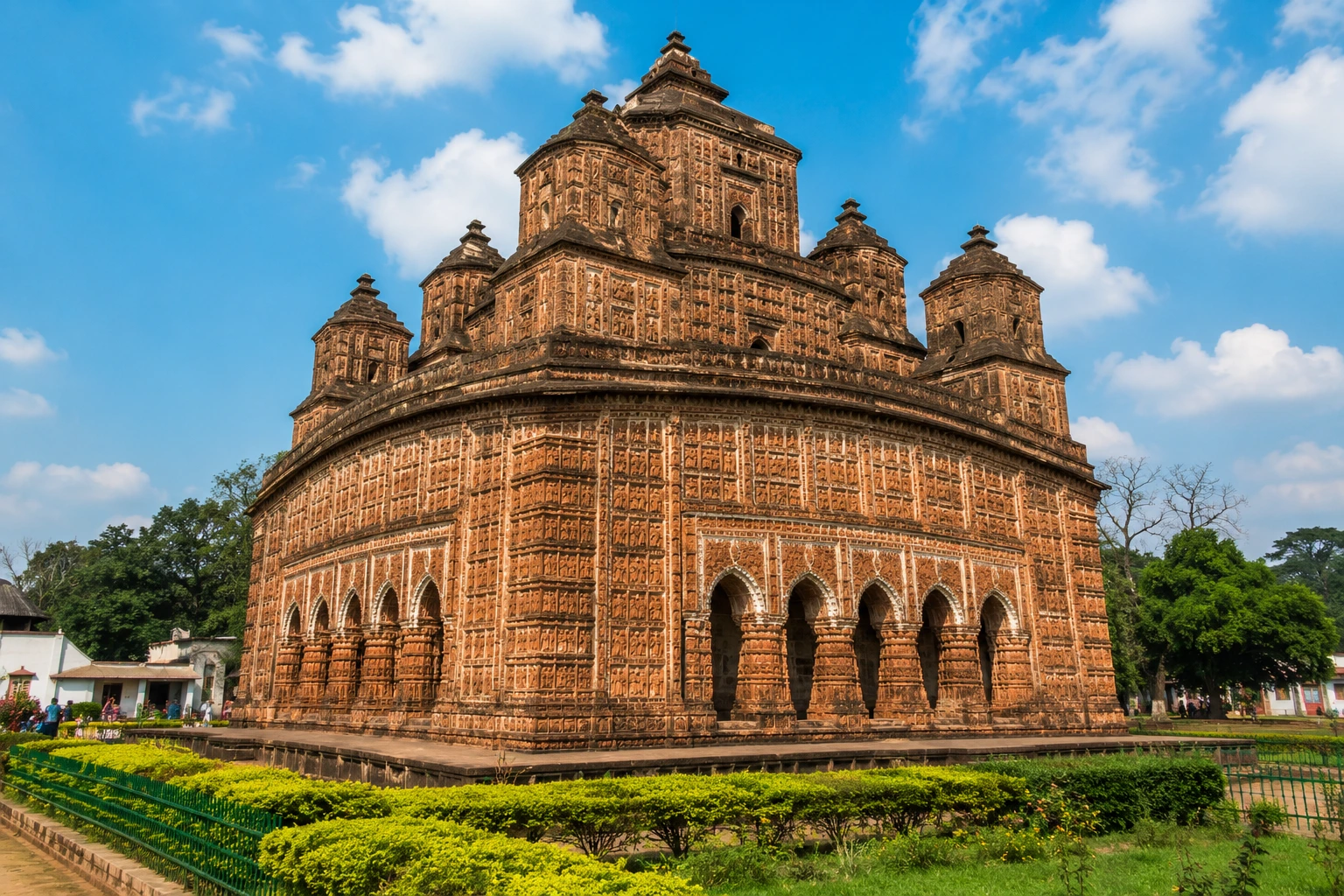
Hidden in the tranquil countryside of northern Bangladesh stands one of the country’s most remarkable architectural treasures—Kantajew Temple. Also known as Kantaji Temple or Kantanagar Temple, this magnificent 18th-century Hindu temple is celebrated for its breathtaking terracotta artwork, rich history, and cultural significance. Located in Dinajpur District, Kantajew Temple attracts historians, photographers, pilgrims, and travelers from around the world who wish to witness one of South Asia’s finest examples of temple architecture.
For travelers seeking to explore the cultural soul of Bangladesh, Kantajew Temple offers an unforgettable journey into art, religion, and history. Whether you are passionate about archaeology, heritage tourism, or photography, this extraordinary monument deserves a place on your Bangladesh itinerary.
If you’re planning a heritage adventure with the Best Tour Agency in Bangladesh, visiting Kantajew Temple is an experience that combines history, architecture, and authentic rural life in North Bengal.
Where Is Kantajew Temple Located?
Kantajew Temple is situated in Kantanagar village under Kaharol Upazila in Dinajpur District, approximately 20 kilometers north of Dinajpur city in northern Bangladesh. The temple stands near the banks of the Dhepa River, surrounded by lush green fields and peaceful countryside landscapes.
Its location in North Bengal makes it an excellent addition to a broader North Bengal tour, allowing visitors to explore the region’s rich heritage and natural beauty.
The Historical Origins of Kantajew Temple
The story of Kantajew Temple dates back to the early 18th century during the reign of the Dinajpur Raj family.
Construction of the temple began in 1704 under Maharaja Prannath Roy, one of the most influential zamindars of Bengal. After his death in 1722, the work remained unfinished until his adopted son, Maharaja Ramnath, completed the temple in 1752.
The temple was dedicated to Lord Krishna, locally known as “Kanta” or “Kantaji,” along with his consort Rukmini.
According to local legends, Maharaja Prannath received divine inspiration through dreams to establish this sacred temple in Kantanagar. Whether legend or history, the result is one of Bangladesh’s greatest architectural masterpieces.
Why Kantajew Temple Is Famous Worldwide
Kantajew Temple is internationally recognized for its:
- Extraordinary terracotta carvings
- Unique Navaratna architecture
- Historical significance
- Hindu religious importance
- Artistic representation of Bengal’s social life
Today, scholars regard it as one of the finest surviving examples of late medieval Bengali temple architecture.
Its significance was further highlighted when the image of Kantajew Temple was featured on Bangladesh’s 20 Taka banknote, symbolizing national pride and cultural identity.
The Magnificent Terracotta Architecture of Kantajew Temple
The most striking feature of Kantajew Temple is its exquisite terracotta decoration. Every inch of the temple’s exterior is covered with thousands of hand-crafted terracotta panels that depict religious stories, daily life, flora, fauna, and artistic motifs.
Constructed primarily from brick, the temple represents the peak of Bengal’s terracotta art tradition.
Because Bengal lacked natural stone resources, artisans mastered the art of clay and brickwork, creating masterpieces that have survived centuries.
The temple rises in three levels and originally featured nine ornamental spires, giving it the name Navaratna Temple.
The Lost Nine Spires of Kantajew Temple
Originally, Kantajew Temple had nine beautifully decorated towers:
- Four corner towers on the first level
- Four corner towers on the second level
- One central tower at the top
Unfortunately, the devastating earthquake of 1897 destroyed all nine spires. Despite this loss, the temple’s remaining structure continues to impress visitors with its elegance and grandeur.
Even without the towers, the monument remains one of the most spectacular historical places in Bangladesh.
Terracotta Panels: Stories Carved in Clay
One of the most fascinating aspects of Kantajew Temple is its detailed terracotta artwork.
The panels portray:
- Stories from the Ramayana
- Scenes from the Mahabharata
- Episodes from Krishna’s life
- Royal processions
- Hunting scenes
- Village life
- Music and dance performances
- Boats and river culture
- Bengali weddings
- Animal motifs
These carvings serve as visual records of 18th-century Bengal, offering historians valuable insights into the social and cultural life of the era.
Krishna and Hindu Mythology at Kantajew Temple
Since the temple is dedicated to Lord Krishna, many terracotta panels illustrate famous episodes from Hindu mythology.
Visitors can observe:
- Krishna defeating demons
- Childhood stories of Krishna
- Radha-Krishna love scenes
- Divine incarnations of Vishnu
- Mythological battles
These artistic narratives transformed the temple into an open-air textbook of Hindu traditions and beliefs.
A Masterpiece of Bengal’s Terracotta Heritage
Kantajew Temple is often compared with other famous terracotta structures in South Asia. However, its scale, detail, and artistic quality make it truly unique.
The temple represents:
- Bengal’s architectural innovation
- Religious harmony
- Artistic excellence
- Cultural continuity
Travelers interested in historical landmarks can also explore our World Heritage and Historical Places Tours to discover more of Bangladesh’s hidden treasures.
The 1897 Earthquake and Restoration
The Great Assam Earthquake of 1897 caused severe damage to Kantajew Temple, destroying its iconic nine spires.
Subsequent restoration efforts by the government and heritage authorities have helped preserve the temple for future generations.
Today, conservation projects continue to protect this invaluable piece of Bangladesh’s heritage.
Ras Mela: The Grand Festival of Kantajew Temple
One of the best times to visit Kantajew Temple is during the famous Ras Mela, held annually around November.
This month-long festival features:
- Religious ceremonies
- Cultural performances
- Traditional markets
- Folk music
- Local crafts
- Pilgrimages
Thousands of devotees and tourists gather to celebrate the festival, creating a vibrant atmosphere that showcases Bangladesh’s cultural diversity.
For travelers interested in immersive experiences, such festivals perfectly complement A Cultural Tour of Bangladesh.
Best Time to Visit Kantajew Temple
The ideal time to visit Kantajew Temple is between October and March, when the weather is pleasant and comfortable.
Best seasons include:
- Winter (November–February)
- Ras Mela festival season
- Dry months for photography
Avoid heavy monsoon periods when rural roads may become difficult to navigate.
How to Reach Kantajew Temple from Dhaka
By Air
Fly from Dhaka to Saidpur Airport, then travel approximately 60 kilometers to Dinajpur by car or bus.
By Train
Several trains connect Dhaka with Dinajpur:
- Ekota Express
- Drutajan Express
- Panchagarh Express
Travel time: 7–9 hours.
By Bus
Direct buses from Dhaka to Dinajpur operate daily and take approximately 9–10 hours.
From Dinajpur city, visitors can hire:
- Auto-rickshaws
- Cars
- Local transport
The temple is about 30–40 minutes from the city center.
Things to Do at Kantajew Temple
Admire the Terracotta Artwork
Spend time examining the intricate carvings that cover every surface of the temple.
Experience Spiritual Atmosphere
Observe local worship practices and enjoy the peaceful surroundings.
Capture Stunning Photographs
Kantajew Temple is one of the most photogenic sites in Bangladesh.
Photography enthusiasts may also enjoy our Street Photography Tour in Dhaka to capture urban life and cultural stories.
Explore Local Villages
Interact with local communities and experience rural Bengal.
Nearby Attractions in Dinajpur
Nayabad Mosque
Located close to Kantajew Temple, this beautiful mosque reflects the region’s diverse religious heritage.
Ramsagar National Park
One of Bangladesh’s largest man-made reservoirs, perfect for nature lovers.
Dinajpur Rajbari
Explore the historic palace of the Dinajpur Raj family.
Shingra Forest
Enjoy peaceful landscapes and biodiversity.
These attractions make North Bengal one of the most rewarding destinations for heritage tourism.
Why Kantajew Temple Matters Today
Kantajew Temple is more than a religious monument. It is a symbol of:
- Artistic excellence
- Historical continuity
- Cultural identity
- Religious harmony
For international visitors seeking authentic experiences beyond mainstream tourism, Kantajew Temple offers a unique window into Bangladesh’s soul.
Those exploring Bangladesh’s heritage often combine such visits with Discover Dhaka City and Old Dhaka and Sonargao Tour experiences to gain a complete understanding of the country’s cultural landscape.
Explore North Bengal with Bangladesh Explore
A journey to Kantajew Temple is not simply a visit to an ancient monument—it is an immersion into the history, culture, and artistry of Bengal.
As the Best Tour Agency in Bangladesh, Bangladesh Explore creates carefully designed itineraries that connect travelers with the country’s most extraordinary destinations.
From heritage sites to cultural festivals and natural wonders, Bangladesh offers experiences unlike anywhere else in the world.
FAQ
What is Kantajew Temple famous for?
Kantajew Temple is famous for its intricate terracotta artwork and exceptional 18th-century Hindu temple architecture.
Where is Kantajew Temple located?
Kantajew Temple is located in Kantanagar village of Dinajpur District in northern Bangladesh.
Who built Kantajew Temple?
Construction began under Maharaja Prannath Roy in 1704 and was completed by Maharaja Ramnath in 1752.
Why is it called the Navaratna Temple?
The temple originally had nine ornamental spires, known as “Navaratna,” meaning “nine jewels.”
What happened to the nine spires?
The nine spires were destroyed during the Great Assam Earthquake of 1897.
What is the best time to visit Kantajew Temple?
The best time to visit is between October and March, especially during the Ras Mela festival.
Is Kantajew Temple still used for worship?
Yes. The temple remains an active religious site where devotees continue to perform rituals and prayers.
Which nearby attractions can be visited with Kantajew Temple?
Nearby attractions include Nayabad Mosque, Ramsagar National Park, Dinajpur Rajbari, and Shingra Forest.