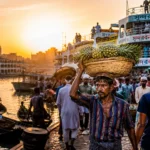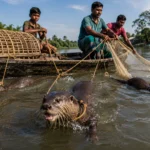
Bangladesh is one of South Asia’s most underrated food destinations. While countries like Thailand, Vietnam, and India dominate global culinary tourism conversations, Bangladesh quietly offers one of the richest and most authentic food cultures in the region. From the crowded food streets of Old Dhaka to riverside tea stalls and family-run kitchens hidden inside narrow alleys, every meal in Bangladesh tells a story.
A food tour in Bangladesh is not simply about eating. It is about understanding culture through flavor, tradition, and hospitality.
For international travelers, Bangladesh offers something increasingly rare in modern travel — authenticity. The food culture here has not been heavily commercialized for tourism. Recipes are still deeply connected to families, local communities, and centuries-old traditions. Street vendors often serve dishes prepared using methods passed down through generations.
Whether you are exploring spicy street snacks in Dhaka, drinking famous seven-layer tea in Sreemangal, or enjoying fresh river fish near the Sundarbans, Bangladesh delivers unforgettable culinary experiences filled with warmth and character.
Today, more travelers are searching for immersive Dhaka Food Tour experiences that combine food, history, culture, and local interaction. Bangladesh Explore helps international visitors experience the real taste of Bangladesh through guided food tours designed around authentic local life.
Why Bangladesh Is a Hidden Paradise for Food Lovers
Bangladeshi cuisine is bold, rich, aromatic, and deeply emotional.
Food is central to everyday life in Bangladesh. Meals are not rushed experiences. They are social traditions where families, friends, and communities gather together.
Unlike fusion-heavy tourism destinations, Bangladeshi cuisine still feels rooted in tradition.
The country’s culinary identity combines:
- Mughal influences
- Bengali cooking traditions
- River-based cuisine
- Rural village recipes
- Seasonal ingredients
- Slow-cooking techniques
This creates flavors that are distinct from neighboring countries.
Many international travelers are surprised to discover that Bangladeshi food differs significantly from Indian cuisine. Bangladeshi dishes often feature:
- More balanced spice layers
- Rich mustard flavors
- Freshwater fish
- Slow-cooked meat dishes
- Smoky textures
- Unique street snacks
One of the most exciting aspects of a food tour in Bangladesh is discovering how deeply food connects to local identity and storytelling.
Old Dhaka – The Culinary Capital of Bangladesh
No food experience in Bangladesh is complete without exploring Old Dhaka.
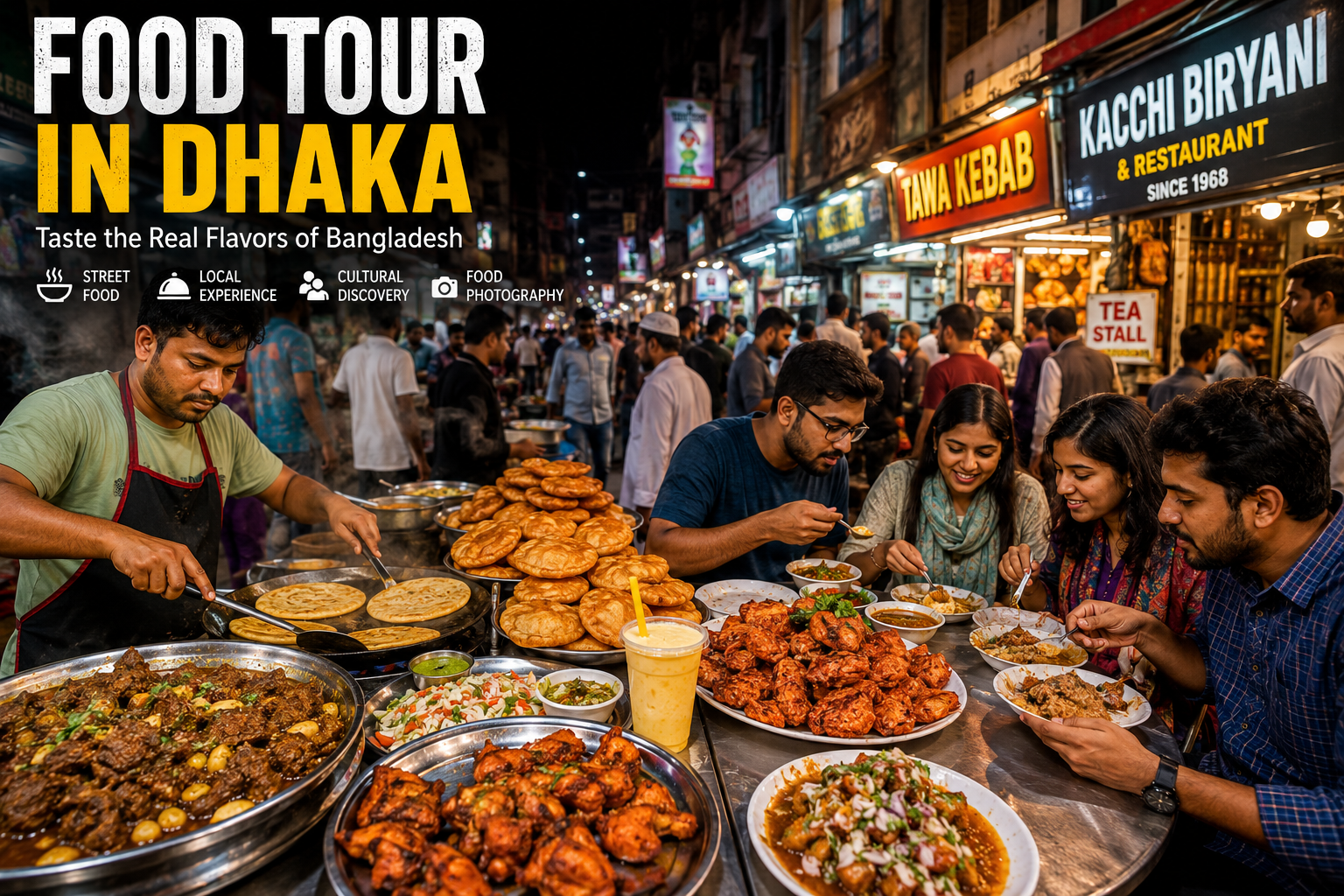
Old Dhaka is the historical and culinary heart of the country. The area is famous for legendary recipes, traditional restaurants, hidden bakeries, and iconic street foods.
Walking through Old Dhaka feels like entering a living food museum.
The narrow streets are filled with:
- Traditional biryani houses
- Kebab shops
- Tea stalls
- Sweet shops
- Street food vendors
- Century-old bakeries
The atmosphere becomes even more magical in the evening when food stalls light up the busy streets.
Travelers joining an Old Dhaka Tour often discover that the city’s food culture is just as memorable as its architecture and history.
Bangladesh Explore combines cultural storytelling with culinary exploration through personalized Dhaka Food Tour experiences led by knowledgeable local guides.
Kacchi Biryani – Bangladesh’s Most Iconic Dish
Kacchi Biryani is the king of Bangladeshi food.
This famous dish combines:
- Aromatic basmati rice
- Slow-cooked marinated mutton
- Potatoes
- Traditional spices
- Ghee and saffron flavors
Unlike many commercial biryanis around the world, authentic Old Dhaka Kacchi Biryani is deeply flavorful and cooked slowly for hours.
Many visitors describe their first authentic Kacchi Biryani experience as unforgettable.
The best biryani restaurants in Old Dhaka often operate from historic buildings where recipes have remained unchanged for generations.
Street Food in Bangladesh – A Flavor Explosion
Bangladesh has one of the most exciting street food cultures in South Asia.
Street food here is vibrant, affordable, emotional, and deeply connected to urban life.
Some of the most famous Bangladeshi street foods include:
Fuchka
Crispy hollow shells filled with spicy mashed potatoes, chickpeas, herbs, and tangy tamarind water.
Chotpoti
A warm and spicy chickpea dish topped with onion, chili, egg, and tamarind sauce.
Jhalmuri
A flavorful puffed rice mix prepared with mustard oil, vegetables, and spices.
Beef Tehari
A rice dish cooked with beef and spices, especially popular in Dhaka.
Shingara and Samosa
Savory fried snacks commonly enjoyed with tea.
Traditional Bengali Sweets
Rasgulla, chomchom, roshmalai, and jilapi are essential parts of Bangladeshi dessert culture.
Street food tours provide travelers with opportunities to experience Bangladesh beyond tourist attractions.
This is why many visitors combine a Dhaka Food Tour with a Discover Dhaka City experience.
Chowk Bazar – The Most Famous Food Street in Dhaka
Chowk Bazar is one of the most iconic culinary areas in Bangladesh.
The area becomes especially famous during Ramadan when thousands of people gather to enjoy traditional dishes.
Travelers visiting Chowk Bazar can experience:
- Historic Mughlai dishes
- Traditional sweets
- Giant food platters
- Authentic local dining culture
The energy, colors, and smells create an unforgettable sensory experience.
For food photographers and cultural travelers, this location offers incredible storytelling opportunities.
Why International Travelers Love Food Tours in Bangladesh
Food tours create deeper cultural experiences.
Instead of simply visiting landmarks, travelers interact directly with:
- Local chefs
- Street vendors
- Restaurant owners
- Tea sellers
- Market communities
This creates authentic human connection.
Guided food tours also help international travelers:
- Navigate local food culture safely
- Discover hidden restaurants
- Understand ingredients and traditions
- Avoid tourist traps
- Experience local hospitality
Bangladesh Explore designs food experiences specifically for foreigners who want meaningful cultural interaction rather than commercial sightseeing.
Tea Culture in Bangladesh
Tea is an essential part of Bangladeshi daily life.
From roadside tea stalls to luxury tea gardens, tea culture exists everywhere.
The most famous tea experience is found in the Sreemangal and Sylhet Tour region.
Sreemangal is known as the tea capital of Bangladesh and offers:
- Tea plantation visits
- Seven-layer tea
- Rainforest cafes
- Local tribal food experiences
Tea gardens also provide incredible photography opportunities, especially during sunrise and golden hour.
Food and Culture Are Deeply Connected in Bangladesh
In Bangladesh, food represents:
- Family
- Celebration
- Hospitality
- Community
- Tradition
Meals are often shared among large groups, especially during festivals and weddings.
Food traditions become especially vibrant during:
- Bengali New Year
- Ramadan
- Eid celebrations
- Wedding ceremonies
- Village festivals
Travelers participating in A Cultural Tour often discover that food becomes one of the strongest emotional memories of their trip.
Beyond Dhaka – Regional Food Experiences Across Bangladesh
Bangladesh’s food culture changes dramatically between regions.
Sreemangal and Sylhet Tour – Tea and Tribal Cuisine
This region offers:
- Seven-layer tea
- Bamboo-cooked foods
- Tribal recipes
- Fresh tropical fruits
The lush environment creates a slower and more peaceful culinary experience compared to Dhaka.
Sundarbans and Bagerhat Tour – Coastal and River Cuisine
The Sundarbans and Bagerhat Tour introduces travelers to:
- Freshwater fish dishes
- Crab curries
- Coconut-based cooking
- Traditional coastal recipes
Boat meals inside the mangrove forest create unforgettable travel memories.
North Bengal Tour – Rural Culinary Traditions
The North Bengal tour focuses on:
- Village cooking
- Traditional rice dishes
- Indigenous foods
- Seasonal farming culture
These regions provide a more intimate look into Bangladesh’s rural lifestyle.
Food Photography in Bangladesh
Bangladesh is visually extraordinary for food photography.
The combination of:
- Street markets
- Steam-filled kitchens
- Bright spices
- Traditional cooking methods
- Human interaction
creates endless storytelling opportunities.
Many photographers combine culinary experiences with a Street Photography Tour in Dhaka because food culture naturally connects to street life.
Why Bangladesh Explore Is Ideal for Food Travelers
Bangladesh Explore focuses on authentic local experiences for international travelers.
Their food tours include:
- Hidden restaurants
- Street food experiences
- Local cultural insights
- Personalized itineraries
- Expert local guides
As one of the recognized names among travelers searching for the Best Tour Agency in Bangladesh, the company helps visitors experience food culture safely and authentically.
Frequently Asked Questions
Is Bangladeshi street food safe for tourists?
Yes. Guided food tours help travelers discover trusted and hygienic local food experiences.
What is the most famous food in Bangladesh?
Kacchi Biryani is considered one of the most iconic dishes in Bangladesh.
Which city is best for a food tour in Bangladesh?
Dhaka, especially Old Dhaka, offers the best culinary experiences.
What is unique about Bangladeshi cuisine?
Bangladeshi cuisine combines Mughal heritage, Bengali traditions, river-based cooking, and rich spice flavors.
Can foreigners join guided food tours in Bangladesh?
Yes. Bangladesh Explore offers guided food tours designed specifically for international travelers.
What is the best season for a food tour in Bangladesh?
October to March offers the best weather and travel conditions.