Most festivals around the world are designed for spectators.
Festivals in Bangladesh feel different because you do not simply watch them—you become part of them.
From the colorful streets of Dhaka during Pohela Boishakh to the emotional atmosphere of International Mother Language Day, every celebration reflects real community life, deep cultural identity, and genuine human connection. Travelers from the USA, UK, Europe, and Australia often describe Bangladeshi festivals as more personal, immersive, and emotionally powerful than traditional tourist events.
What makes these celebrations unforgettable is the way entire neighborhoods participate together. Streets transform into open-air cultural spaces filled with music, traditional food, art, religious devotion, and spontaneous hospitality.
During your journey, you may experience:
- Traditional Bengali New Year celebrations in Old Dhaka
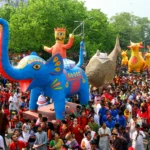
- Street processions filled with giant masks and folk art
- Local food markets serving seasonal festival dishes
- Hindu, Muslim, and Buddhist communities celebrating side by side
- Rural cultural fairs showcasing music, dance, and handicrafts
For travelers looking for authentic cultural experiences in South Asia, festivals in Bangladesh offer something increasingly rare in modern tourism—real participation instead of staged performances.
To experience these moments more deeply, many travelers combine festival dates with experiences like the Old Dhaka Tour, Dhaka Food Tour, or Bangladesh Cultural Tour to understand the traditions beyond the surface.
Why Festivals in Bangladesh Feel Different
There’s something immediately noticeable when you attend festivals in Bangladesh—the energy feels real.
In many Western countries, festivals are often organized events with boundaries. In Bangladesh, the entire city—or sometimes the entire country—becomes part of the celebration. Streets turn into stages, homes open their doors, and people celebrate without needing tickets or invitations.
You will notice:
- Music playing from every corner
- People dressed in traditional outfits
- Food being shared freely
- A strong sense of togetherness
For travelers from the USA, this feels refreshing. It’s not about watching culture—it’s about stepping into it.
When to Experience Festivals in Bangladesh
Festivals take place throughout the year, but each season brings a different kind of celebration.
Spring welcomes cultural and national events. Summer introduces vibrant traditions rooted in history. Autumn brings religious celebrations filled with devotion and artistry. Winter adds national pride and reflective moments.
This variety means you can plan your trip around the type of experience you want—whether it’s energetic street celebrations, spiritual gatherings, or cultural performances.
Pohela Boishakh – The Heartbeat of Bangladesh
Pohela Boishakh, the Bengali New Year, is the most iconic festival in Bangladesh. It’s not just a celebration—it’s a feeling that spreads across the country.
From early morning, people gather in open spaces, especially in Dhaka, where the city transforms into a canvas of colors, music, and tradition. The famous Mangal Shobhajatra procession moves through the streets with giant masks and symbolic figures, representing hope, unity, and renewal.
What makes this festival unforgettable:
- Everyone participates, regardless of background
- The streets become full of music and art
- Traditional food becomes part of the celebration
- The atmosphere feels both festive and meaningful
To fully experience this, walking through the city is essential. A guided Old Dhaka Tour or choosing to Discover Dhaka City during this time allows you to see the celebration from both a cultural and historical perspective.
Eid-ul-Fitr – Celebration of Joy and Togetherness
Eid-ul-Fitr marks the end of Ramadan and is one of the most important festivals in Bangladesh. It is a time of gratitude, joy, and connection.
During Eid, the entire country slows down in a beautiful way. Families reunite, homes are decorated, and meals become grand celebrations shared with loved ones.
For travelers, what stands out most is the hospitality. It is not uncommon to be invited to share a meal, even as a visitor. This openness reflects the heart of Bangladeshi culture.
Durga Puja – A Celebration of Art and Devotion
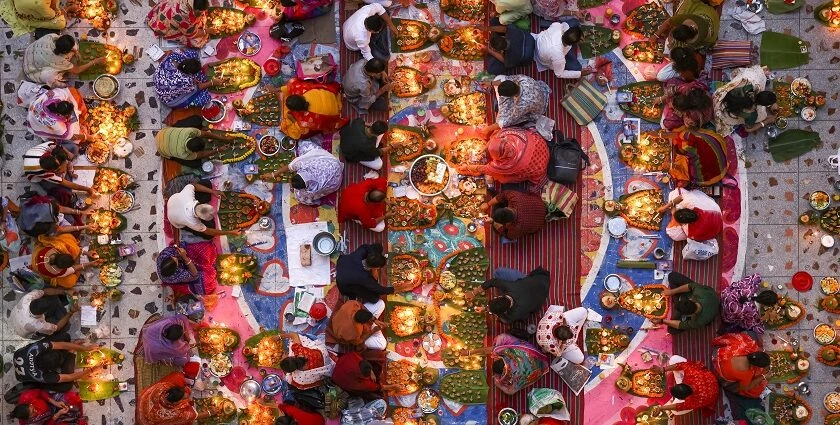
Durga Puja is one of the most visually stunning festivals in Bangladesh. Temples and temporary structures are decorated with intricate designs, lights, and artistic displays.
But beyond the visuals, there is a deeper meaning—celebrating the triumph of good over evil.
Walking through the festival areas, you’ll notice:
- Artistic craftsmanship in every detail
- Cultural performances and music
- A peaceful yet vibrant atmosphere
International Mother Language Day – A Tribute to Identity
Observed on February 21, this day holds deep emotional significance. It commemorates the sacrifices made for linguistic rights and has been recognized globally.
People gather at memorial sites, bringing flowers and paying tribute. The atmosphere is respectful, reflective, and powerful.
This experience connects deeply with history and is best explored through World Heritage and Historical Places Tours, where the stories behind the event come alive.
Victory Day – Pride and Patriotism
Victory Day celebrates Bangladesh’s independence and is filled with national pride.
The streets are decorated, cultural programs take place, and people reflect on the country’s journey.
For travelers, this festival provides insight into the nation’s resilience and identity.
Bishwa Ijtema – Unity on a Global Scale
Bishwa Ijtema is one of the largest religious gatherings in the world. Millions gather near Dhaka for prayer and reflection.
Despite the scale, the atmosphere is calm and organized. It’s a powerful experience of unity, where people from different countries come together with a shared purpose.
Chobi Mela – Creativity Through Photography
Chobi Mela is a celebration of visual storytelling. Photographers from around the world gather to share their work and perspectives.
For travelers interested in capturing moments, combining this with a Street Photography Tour in Dhaka adds depth to your experience.
Boishakhi Mela – Rural Traditions Come Alive
In villages and towns, Boishakhi Mela offers a glimpse into rural life.
Here, you’ll find:
- Handmade crafts
- Traditional games
- Folk performances
It’s less crowded than city festivals but equally rich in culture.
Nouka Baich – The Spirit of the Rivers
This traditional boat race reflects Bangladesh’s deep connection with rivers.
Communities gather along riverbanks, cheering for teams as boats race across the water. The excitement is contagious, and the energy is unmatched.
Exploring Festivals Beyond Dhaka
While Dhaka is the center of many celebrations, exploring beyond the capital adds a new dimension.
A Sreemangal and Sylhet Tour offers a quieter, nature-focused experience where festivals feel more intimate.
Similarly, a North Bengal tour introduces you to rural traditions that remain untouched by urban influence.
Cultural Experiences That Complete Your Journey
Festivals are just one part of the story. To truly understand Bangladesh, you need to experience its culture through food, people, and daily life.
A Dhaka Food Tour introduces you to flavors that define the country, while A Cultural Tour allows you to engage with traditions more deeply.
You can also explore history through an Old Dhaka and Sonargao Tour, where Visiting Panam City reveals stories of a bygone era.
How to Experience Festivals in a Meaningful Way
The key to enjoying festivals in Bangladesh is simple—be present.
- Walk instead of rushing
- Talk to locals
- Try traditional food
- Observe and participate respectfully
Choosing a Half-Day Tour Dhaka or guided experience helps you navigate the crowds while understanding the deeper meaning behind each celebration.
The Human Side of Festivals in Bangladesh
What makes festivals in Bangladesh truly unforgettable is not just the events—it’s the people.
You’ll remember:
- The smile of someone offering you food
- The sound of music echoing through the streets
- The feeling of being part of something bigger
These are not moments you can plan—they happen naturally.
Experience the Real Bangladesh Beyond the Festivals
Festivals may introduce you to Bangladesh, but the real magic of the country continues long after the celebrations end.
From the historic alleys of Old Dhaka and the abandoned merchant mansions of Panam City to the tea gardens of Sreemangal and the riverside life of rural Bengal, Bangladesh offers deeply human travel experiences that remain untouched by mass tourism.
Many international travelers begin with festivals and later discover:
- Ancient heritage sites and Mughal architecture
- Traditional river communities and floating markets
- Street photography opportunities in Old Dhaka
- Wildlife adventures in the Sundarbans
- Tea estates and rainforest landscapes in Sylhet and Sreemangal
- Local food experiences filled with authentic Bengali flavors
If you want to explore Bangladesh beyond guidebooks and curated tourist routes, Bangladesh Explore creates immersive journeys designed specifically for culturally curious travelers from the USA, Europe, Australia, and beyond.
Popular experiences include:
- Discover Dhaka City
- Street Photography Tour in Dhaka
- Visiting Panam City & Folklore Museum
- Sreemangal & Sylhet Tours
- Bangladesh Photography Tour
Whether you are interested in photography, heritage, food, wildlife, or cultural immersion, Bangladesh rewards travelers who seek authentic human experiences over conventional tourism.
Frequently Asked Questions (FAQ)
What is the most popular festival in Bangladesh?
Pohela Boishakh is the most widely celebrated festival, known for its cultural significance and nationwide participation.
When is the best time to visit Bangladesh for festivals?
April is ideal due to Pohela Boishakh, but festivals occur throughout the year, offering different experiences in each season.
Are festivals in Bangladesh suitable for international travelers?
Yes, festivals are welcoming and inclusive, making them suitable for travelers who respect local culture.
How can I explore festivals comfortably?
Joining guided tours like city or cultural tours helps you navigate crowds and understand traditions better.
What makes festivals in Bangladesh unique?
The authenticity, community participation, and emotional depth make them different from typical global festivals.