
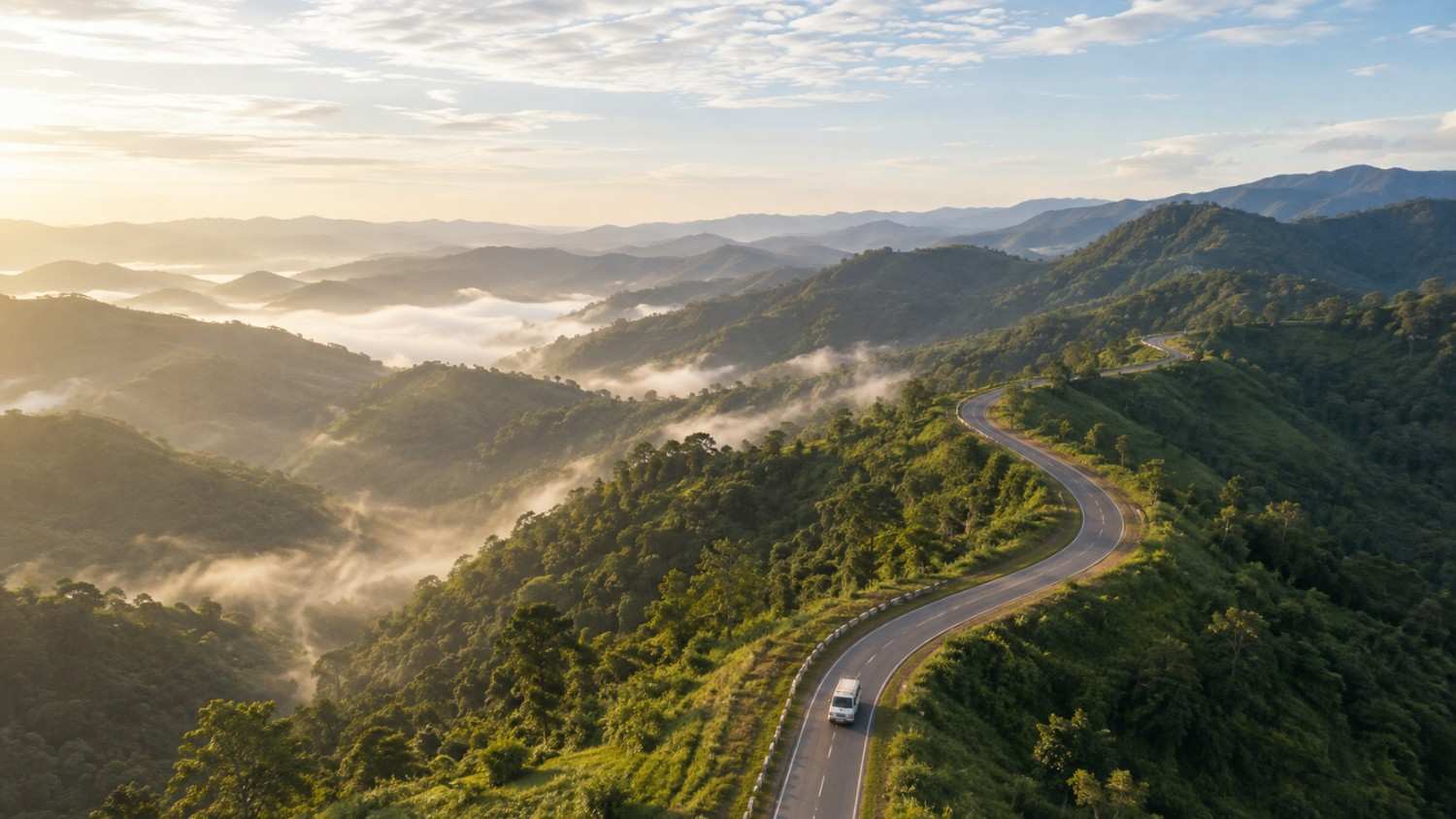
Bandarban is one of those destinations that changes with the seasons, yet never loses its appeal. During winter, crisp mountain air and clear blue skies reveal sweeping views across the Chittagong Hill Tracts. Come with the monsoon, and the same hills transform into a vibrant landscape of rolling green valleys, flowing waterfalls, and drifting clouds that seem close enough to touch.
So, when is the best time to visit Bandarban? The answer depends on the kind of experience you’re looking for.
Some travelers prefer cool weather for sightseeing and comfortable road trips to Nilgiri and Nilachal. Others visit during the rainy season when waterfalls are at their most spectacular and the hills are wrapped in mist. Every season offers something different, making Bandarban a year-round destination for nature lovers, photographers, couples, and families alike.
This guide goes beyond average temperatures and rainfall. You’ll learn what each season is really like, which months offer the clearest mountain views, where to stay for the most comfortable experience, what to pack, and how to choose the perfect time for your visit.
Quick Answer
If you’re visiting Bandarban for the first time, October to March is generally the best time to travel. The weather is cooler, skies are often clearer, and road conditions make it easier to explore attractions such as Nilgiri, Nilachal, Shoilo Propat, Buddha Dhatu Jadi, and the scenic mountain roads that define the region.
However, if your dream is to experience lush green hills, dramatic clouds, and waterfalls at their fullest, the monsoon season (June to September) offers an entirely different—but equally memorable—side of Bandarban.
Why the Season Matters in Bandarban
Unlike many destinations where seasonal changes are subtle, Bandarban transforms throughout the year.
The same viewpoint can look completely different depending on when you visit. A mountain range that appears sharp and endless during winter may disappear beneath rolling clouds in July. Shoilo Propat, which flows gently during the dry months, becomes far more dramatic after weeks of seasonal rain. Even the drive through the hills changes character, with golden sunlight replacing misty mountain roads as the seasons shift.
Understanding these changes helps you choose the right time—not simply based on the weather, but on the experience you want to have.
Whether your priority is landscape photography, comfortable sightseeing, peaceful mountain escapes, or vibrant green scenery, selecting the right season will shape every part of your journey.
Choosing the Best Season Based on Your Travel Style
Before looking at each season in detail, it helps to match your travel goals with the right time of year.
| If You Want… | Best Time to Visit |
| Clear mountain views | November – February |
| Pleasant weather for sightseeing | October – March |
| Lush green hills | June – September |
| Waterfalls at their best | July – September |
| Landscape photography | October – December |
| Fewer crowds | April or September |
| A relaxed mountain getaway | November – February |
There isn’t a single “perfect” month for everyone. Instead, think about what you hope to experience. A photographer chasing morning light may choose late autumn, while a nature lover might happily trade blue skies for mist-covered valleys during the monsoon.
Autumn (October–November): Fresh Landscapes and Clear Beginnings
As the monsoon gradually fades, Bandarban enters one of its most rewarding seasons. The hills remain beautifully green after months of rain, rivers continue flowing with healthy water levels, and clearer skies begin to reveal the rolling mountain ranges that make the Chittagong Hill Tracts so distinctive.
For many travelers, autumn offers the best balance between scenery and comfort. Temperatures are pleasant enough for long days of sightseeing, while the countryside still retains the vibrant colours of the rainy season. It’s an excellent time to explore viewpoints such as Nilgiri and Nilachal, where layers of green hills stretch toward the horizon beneath soft autumn light.
Photographers particularly appreciate this season. Mornings often begin with light mist drifting through the valleys before gradually giving way to crisp views, creating opportunities for both atmospheric and panoramic landscapes within the same day.
Why Visit During Autumn?
- Lush green landscapes after the rainy season
- Comfortable temperatures for sightseeing
- Better visibility from mountain viewpoints
- Ideal conditions for landscape and travel photography
- Pleasant weather for couples, families, and first-time visitors
Bangladesh Explore Insight
If your schedule is flexible, consider visiting in late October or early November. You’ll often enjoy the freshness of the post-monsoon landscape without the heavier tourist traffic that arrives during the peak winter months.
Winter (December–February): The Best Time for Most Travelers
If someone asks us for the single best time to visit Bandarban, winter is usually our answer.
Cool mornings, comfortable afternoons, and consistently clear skies make this the easiest season to enjoy everything the region has to offer. Whether you’re travelling with family, exploring as a couple, or visiting Bangladesh for the first time, winter provides ideal conditions for discovering Bandarban at a relaxed pace.
Road journeys through the hills become more enjoyable as temperatures remain mild throughout the day, allowing you to spend longer at viewpoints without the heat becoming uncomfortable. This is also when panoramic views are often at their clearest, making destinations such as Nilgiri, Chimbuk Hill, and Nilachal especially rewarding.
For visitors following a short itinerary, winter also offers greater flexibility. A two-day trip comfortably includes scenic drives, waterfalls, cultural attractions, and hilltop viewpoints without weather becoming a major concern.
Winter Highlights
- The clearest mountain views of the year
- Comfortable temperatures for exploring throughout the day
- Excellent road conditions for sightseeing
- Beautiful sunrise and sunset opportunities
- The most reliable season for first-time visitors
Where to Stay During Winter
Winter is the busiest travel season, particularly around Christmas, New Year, and public holidays. If you’re planning to stay in one of Bandarban’s hilltop resorts or scenic boutique hotels, it’s worth booking well in advance to secure the best views and room options.
For travelers seeking a more relaxed experience, accommodation slightly outside the town centre often offers quieter surroundings while remaining within easy reach of the main attractions.
Travel Tip
Even during winter, mornings in the hills can feel surprisingly cool. Packing a light jacket or fleece is usually enough to stay comfortable during sunrise visits to Nilgiri or early departures for sightseeing.
Monsoon (June–September): Bandarban at Its Greenest
If winter reveals the mountains, the monsoon brings them to life.
From June onwards, seasonal rain transforms Bandarban into a landscape of deep green hills, flowing waterfalls, low-hanging clouds, and mist-covered valleys. The scenery becomes softer, quieter, and remarkably photogenic, offering a completely different atmosphere from the dry months.
This is the season when nature takes centre stage. Waterfalls such as Shoilo Propat become far more impressive, streams run full, and every drive through the hill roads feels more immersive as layers of forest stretch into the distance beneath drifting clouds.
For travellers who enjoy dramatic landscapes and don’t mind occasional rain showers, the monsoon offers one of the most rewarding times to experience Bandarban.
Why Visit During the Monsoon?
While many visitors automatically choose winter, the rainy season has its own charm that shouldn’t be overlooked.
Expect:
- Vibrant green hills across the Chittagong Hill Tracts.
- Powerful waterfalls fed by seasonal rainfall.
- Mist drifting across mountain viewpoints.
- Cooler temperatures compared to the plains.
- A quieter atmosphere with fewer visitors.
Rather than chasing perfect blue skies, this is the season to appreciate changing weather, soft light, and landscapes that feel wild and untouched.
What to Expect
Rain doesn’t fall continuously throughout the day.
Most showers are intermittent, often leaving behind clear intervals when the hills appear especially fresh and atmospheric. It’s common to experience sunshine, mist, and rain all within a single afternoon.
This changing weather is part of Bandarban’s appeal during the monsoon. Instead of trying to avoid it, many travellers embrace it as part of the experience.
Is It a Good Time for Sightseeing?
Yes—provided you travel with realistic expectations.
You may occasionally lose long-distance mountain views to low clouds, but you’ll gain something equally memorable: waterfalls in full flow, dramatic mist rolling through the valleys, and quieter viewpoints where the landscape feels almost untouched.
If your priority is experiencing nature rather than ticking off attractions, the monsoon can be an excellent choice.
Packing for the Rainy Season
A little preparation makes monsoon travel much more comfortable.
We recommend bringing:
- A lightweight waterproof jacket.
- Comfortable shoes with good grip.
- A rain cover for your backpack or camera.
- Quick-drying clothing.
- A small umbrella for short walks around town.
If you’re travelling with photography equipment, waterproof protection for your camera is far more important than carrying extra lenses.
Bangladesh Explore Insight
Some visitors postpone their trip because they worry about rain. In reality, many of our favourite mountain photographs have been taken just after a passing shower, when sunlight breaks through the clouds and the hills glow with fresh colour. Those moments rarely last long—but they’re often unforgettable.
Spring (March–May): A Quieter Time to Explore
Spring is often overlooked, yet it offers a pleasant balance between the cool days of winter and the lush landscapes of the monsoon.
Temperatures gradually become warmer, especially during the afternoon, but mornings and evenings remain comfortable enough for sightseeing. Visitor numbers are generally lower than during the peak winter season, allowing you to enjoy popular viewpoints and scenic drives at a more relaxed pace.
While the hills aren’t as vividly green as they are after the rains, spring has its own character. Clear mornings, peaceful roads, and quieter attractions make it a good option for travellers who prefer a slower journey without the crowds.
Who Should Visit in Spring?
Spring is particularly well suited for:
- Couples looking for a peaceful hill retreat.
- Travellers who prefer quieter destinations.
- Visitors with flexible travel dates outside the peak season.
- Anyone seeking a relaxed road trip through the Chittagong Hill Tracts.
Although daytime temperatures are higher than in winter, careful planning—such as starting sightseeing earlier in the morning—helps make the most of each day.
Local Perspective
Spring is one of the easiest seasons to slow down and appreciate Bandarban beyond its viewpoints. Spend more time enjoying the mountain roads, relaxing at your resort, or chatting with local people instead of trying to rush between attractions. Sometimes the journey itself becomes the highlight.
Which Season Would We Recommend?
Every season reveals a different side of Bandarban, so there isn’t a universal “best” time to visit.
If it’s your first trip, we recommend October to March, when pleasant weather and clearer skies make sightseeing straightforward and comfortable.
If you’re drawn to lush landscapes, waterfalls, and atmospheric photography, the monsoon season offers an experience that’s completely different—but equally memorable.
Ultimately, the best time to visit Bandarban isn’t just about the forecast. It’s depends on the memories you hope to take home. Some travellers fall in love with endless mountain views beneath blue skies, while others remember the quiet beauty of mist drifting through the hills after an afternoon shower.
Where to Stay in Bandarban for a Comfortable Trip
Choosing the right accommodation can make a noticeable difference to your Bandarban experience. While the district isn’t known for luxury on the scale of major international destinations, it offers a growing selection of comfortable resorts, boutique properties, and well-maintained hotels that suit most travel styles.
The best choice depends less on your budget and more on the type of trip you’re planning. Some travelers prefer waking up to panoramic hill views, while others value staying close to restaurants, local markets, and the town’s main attractions.
If you’re visiting Bandarban for the first time, selecting accommodation that complements your itinerary will help you spend less time travelling between attractions and more time enjoying the journey.
Hilltop Resorts: Best for Views and Relaxation
If your idea of a perfect holiday includes peaceful mornings, fresh mountain air, and sweeping views across the hills, a hilltop resort is usually the most rewarding option.
Many resorts are located on elevated ground overlooking the surrounding valleys, allowing guests to enjoy sunrise, sunset, and changing mountain scenery without leaving the property. They’re especially popular with couples, photographers, and travelers looking for a slower pace.
Because these properties are slightly removed from the town centre, evenings are often quieter, making them ideal for relaxing after a day of sightseeing.
Ideal for:
- Couples
- Nature lovers
- Photography enthusiasts
- Travelers celebrating special occasions
Hotels in Bandarban Town: Best for Convenience
Staying in Bandarban town offers a different experience. You’ll be closer to restaurants, local shops, transport services, and many of the district’s cultural attractions, making it a practical choice for travelers who prefer convenience over panoramic views.
Town-based accommodation also works well for shorter itineraries, particularly if you’re joining an organized tour or planning early departures to attractions such as Nilgiri, Nilachal, and Chimbuk Hill.
While the scenery may not be as dramatic as hilltop resorts, you’ll enjoy easier access to everyday amenities and a more local atmosphere.
Ideal for:
- Families
- First-time visitors
- Travelers with limited time
- Budget-conscious travelers
When Should You Book Your Accommodation?
Accommodation availability changes significantly throughout the year.
If you’re planning to visit during the cooler months between November and February, or around public holidays, it’s wise to reserve your room several weeks in advance. This is the busiest travel period in Bandarban, and properties with the best mountain views are often fully booked well before weekends and holiday breaks.
During spring and the monsoon season, you’ll generally find greater availability and a more relaxed atmosphere. This also gives you more flexibility when choosing where to stay.
What Facilities Should You Expect?
Most quality accommodations in Bandarban provide the essentials for a comfortable stay, including:
- Air-conditioned rooms
- Private bathrooms with hot water
- On-site restaurants serving local and Bangladeshi cuisine
- Parking facilities
- Wi-Fi in common areas or guest rooms
- Assistance with local transport or sightseeing arrangements
If uninterrupted internet access or specific amenities are important for your trip, it’s worth confirming these directly with your accommodation before arrival, particularly if you plan to stay outside the town centre.
Bangladesh Explore Insight
For a two-day trip, location often matters more than luxury. A comfortable room, an early breakfast, and easy access to the day’s sightseeing route usually contribute more to a smooth travel experience than extra facilities you may never have time to use.
Planning Tips for a Comfortable Visit
A little preparation goes a long way in Bandarban. Unlike large cities, the district has a slower pace of life, and some services may be more limited than international travelers are used to. Planning ahead helps you enjoy the journey without unnecessary surprises.
Before your trip, keep these practical tips in mind:
- Pack light but thoughtfully. Comfortable walking shoes, breathable clothing, sunscreen, and a light jacket for cooler mornings are useful throughout most of the year.
- Carry some cash. Although digital payments are becoming more common, smaller shops, cafés, and roadside stalls may only accept cash.
- Start sightseeing early. Morning temperatures are more comfortable, and the soft light makes mountain viewpoints even more rewarding.
- Respect local customs. Bandarban is home to several indigenous communities and important religious sites. Dressing modestly and asking permission before photographing people are simple gestures that show respect.
- Allow extra travel time during the monsoon. Rain rarely stops travel altogether, but slower driving conditions mean flexible schedules are always a good idea.
Why This Matters
The most enjoyable trips aren’t always the ones with the busiest itineraries—they’re the ones where everything feels effortless. Choosing accommodation that suits your travel style, packing appropriately for the season, and allowing time to appreciate the mountain landscapes all contribute to a more rewarding Bandarban experience.
Whether you’re visiting for a weekend escape or including Bandarban as part of a longer journey through Bangladesh, a little planning ensures you’ll spend less time worrying about logistics and more time enjoying one of the country’s most beautiful destinations.
So, When Should You Visit Bandarban?
If you’re still deciding when to plan your trip, here’s a simple way to choose based on the experience you’re looking for.
Visit Between October and March If…
This is the best period for most first-time visitors. Cooler temperatures, clearer skies, and comfortable road conditions make it easier to explore Bandarban’s viewpoints, waterfalls, temples, and scenic mountain roads without worrying too much about the weather.
It’s also the ideal season for families, couples, and travelers planning a short holiday who want to make the most of every day.
Visit During the Monsoon If…
If you don’t mind occasional rain and want to experience Bandarban at its greenest, the monsoon offers an entirely different atmosphere.
Waterfalls become more dramatic, mist rolls through the valleys, and the hills take on rich shades of green that simply aren’t visible during the dry season. For photographers and nature lovers, this can be one of the most rewarding times to visit.
Visit During Spring If…
Spring is a good choice for travelers who prefer a quieter destination.
While the hills become warmer during the afternoon, you’ll often find fewer visitors at major viewpoints, making it easier to enjoy the scenery at a slower pace. It’s also a pleasant season for couples looking for a peaceful mountain retreat.
At a Glance
| Travel Priority | Best Time to Visit |
| First-time visitors | October – March |
| Comfortable weather | November – February |
| Photography | October – December |
| Green landscapes | June – September |
| Waterfalls | July – September |
| Couples | November – February |
| Families | October – March |
| Fewer crowds | April – May |
Planning a Short Trip?
Many international travelers include Bandarban as part of a wider journey through Bangladesh rather than spending an entire week in the hills.
A 2-day itinerary is often enough to experience the region’s highlights, including panoramic viewpoints, scenic mountain roads, cultural attractions, and peaceful hill landscapes. With well-planned transportation and accommodation, it’s possible to enjoy a relaxed pace while still seeing many of Bandarban’s most memorable places.
If you’re visiting Bangladesh for the first time, combining Bandarban with destinations such as Dhaka, Sreemangal, or Cox’s Bazar creates a varied itinerary that showcases the country’s landscapes, culture, and heritage.
Bangladesh Explore Insight
We often recommend spending your first afternoon enjoying the mountain scenery rather than trying to visit every attraction. Bandarban is best experienced slowly. Watching the sunset from Nilachal or taking in the views from Nilgiri often leaves a stronger impression than rushing through a long checklist of stops.
Final Thoughts
Every season reveals a different side of Bandarban.
Winter offers crisp mountain views and comfortable sightseeing. Spring provides a quieter atmosphere and a more relaxed pace. The monsoon transforms the hills into a vibrant landscape of mist, waterfalls, and rich greenery.
Rather than asking “What is the perfect month?”, ask yourself a different question:
“What kind of Bandarban do I want to experience?”
Whether you’re standing above layers of rolling hills at Nilgiri, enjoying the peaceful surroundings of Buddha Dhatu Jadi, or driving through winding mountain roads framed by lush forests, the memories you’ll take home will depend less on the calendar and more on the experiences you choose.
With a little planning and the right season, Bandarban rewards every traveler with a side of Bangladesh that’s both refreshing and unforgettable.
Frequently Asked Questions
What is the best month to visit Bandarban?
For most travelers, November to February offers the best overall experience. The weather is cooler, skies are generally clearer, and mountain viewpoints such as Nilgiri and Nilachal provide excellent visibility. These months are also ideal for sightseeing, scenic drives, and exploring Bandarban’s natural attractions comfortably.
Is Bandarban worth visiting during the monsoon?
Yes, especially if you enjoy lush landscapes and dramatic scenery. The monsoon transforms Bandarban into a vibrant green destination with flowing waterfalls, mist-covered hills, and fewer tourists. While occasional rain may affect visibility and travel times, many visitors consider this the most atmospheric season to experience the Chittagong Hill Tracts.
How many days do I need in Bandarban?
A 2 to 3-day trip is enough to experience Bandarban’s main highlights, including Nilgiri, Nilachal, Shoilo Propat, Buddha Dhatu Jadi, and scenic mountain roads. Travelers with additional time can explore nearby villages and enjoy a more relaxed pace.
Is Bandarban suitable for families?
Absolutely. Bandarban is well suited for families, couples, solo travelers, and small groups. Comfortable accommodation, scenic viewpoints, cultural attractions, and relatively easy sightseeing make it an enjoyable destination for travelers of all ages.
What should I pack for Bandarban?
Pack lightweight clothing, comfortable walking shoes, sunscreen, a reusable water bottle, and a light jacket for cooler mornings during winter. If you’re visiting during the monsoon, include a waterproof jacket, quick-drying clothes, and protection for electronic devices and cameras.
Can I visit Bandarban throughout the year?
Yes. Bandarban is a year-round destination, but each season offers a different experience. Winter is best for clear mountain views and comfortable sightseeing, while the monsoon showcases lush greenery, dramatic waterfalls, and misty landscapes.
Is Bandarban safe for international travelers?
Bandarban is generally a welcoming destination for international visitors. As with any journey, it’s advisable to travel with a reputable local tour operator, follow local guidance, respect community customs, and stay informed about any travel regulations or permit requirements before your trip.
Where should I stay in Bandarban?
Hilltop resorts are ideal if you want peaceful surroundings and panoramic mountain views, while hotels in Bandarban town offer easier access to restaurants, shops, and local attractions. The right choice depends on whether you prioritize scenery or convenience during your stay.
Plan Your Bandarban Journey with Confidence
The best time to visit Bandarban isn’t simply about choosing the month with the best weather—it’s about choosing the experience that suits your travel style.
If you enjoy crisp mountain views, comfortable temperatures, and relaxed sightseeing, the cooler months from October to March are an excellent choice. If your dream is to see Bandarban wrapped in rolling clouds, lush forests, and flowing waterfalls, the monsoon season offers an equally memorable perspective on Bangladesh’s hill country.
Whatever time of year you choose, thoughtful planning will make your journey far more rewarding. From selecting the right accommodation and packing for the season to understanding local culture and planning your itinerary, a little preparation allows you to spend more time enjoying the mountains and less time worrying about logistics.
If you’re looking for a seamless way to experience Bandarban, our carefully designed Bandarban Tour combines scenic viewpoints, cultural landmarks, comfortable accommodation, and local expertise into a relaxed itinerary that lets you focus on the journey rather than the planning.