Bangladesh is home to thousands of years of civilization, yet many of its archaeological treasures remain undiscovered by international travelers. Our Archaeological and Cultural Tour has been carefully designed for history enthusiasts, photographers, researchers, students, and curious travelers who want to explore the country’s rich heritage beyond the usual tourist attractions.
Unlike conventional sightseeing trips, this journey connects ancient Buddhist monasteries, medieval Sultanate architecture, Mughal landmarks, Hindu temple complexes, and colonial-era museums into one carefully planned experience. Every destination helps tell the larger story of Bengal’s remarkable cultural evolution, allowing you to experience history in chronological and geographical context.
Whether this is your first visit to Bangladesh or you’re returning to explore its historical legacy in greater depth, this Archaeological and Cultural Tour offers an authentic and educational experience led by knowledgeable local guides who understand the significance of every monument and archaeological site.
You must be wondering why our archaeological and cultural tour starts from Rajshahi. The Rajshahi division serves as a living museum, housing some of the most significant archaeological sites in South Asia. This tour is designed to take you from the vibrant, “varendra” heart of Rajshahi city to the ruins of the ancient city of Gaur (Gouda), once one of the most populous and prosperous cities in the medieval world. Here, history is not found in textbooks, but in the intricate terracotta plaques of 15th-century mosques and the silent corridors of 19th-century palaces.
The journey begins with an early departure from Dhaka, heading west toward the Varendra region. The first major stop is the Puthia Temple Complex, often called the “Village of Temples.” This site is unique in Bangladesh for its concentration of historic Hindu structures built by the Puthia Raj family. The Bhubaneshwar Shiva Temple, with its five spires (Pancha Ratna) and the largest black basalt Shiva Linga in the country, stands as a sentinel over the Shiv Sagar lake. Nearby, the Pancha Ratna Govinda Temple displays some of the finest terracotta artistry in the region, with plaques depicting the divine romance of Radha and Krishna alongside scenes of 19th-century civic life.
In the heart of Rajshahi city, the Varendra Research Museum offers a scholarly foundation for your journey. Established in 1910, it is the oldest museum in Bangladesh. Its galleries are a treasure trove of artifacts ranging from the Indus Valley Civilization to the Pala and Sena dynasties. The collection of black stone sculptures, particularly the “Gangamurti,” and the ancient Arabic and Persian manuscripts provide a tangible link to the diverse cultural currents that have shaped Bengal.
Now starts the second day of your archaeological and cultural tour. As you move toward Chapai Nawabganj, you enter the territory of Gaur, the historic capital that straddles the modern border between Bangladesh and India. This area is home to the Choto Sona Mosque, or “Small Golden Mosque,” a gem of Sultanate architecture. Built during the reign of Sultan Alauddin Husain Shah, its fifteen domes were once gilded with gold, earning it its name. The mosque’s stone-clad walls and intricate floral stone carvings reflect a period of immense wealth and artistic refinement.
The archaeological and cultural tour also explores the Mughal Tahakhana Complex, a three-story “temperature-controlled” palace built by Shah Shuja for his spiritual guide, Shah Syed Niyamatullah. This winter residence, overlooking a large lake, is a rare example of Mughal residential architecture in the region. Nearby, the Darasbari Mosque—meaning “place of learning”—stands as a majestic ruin. Though its roof has long since collapsed, its massive pillars and extensive terracotta ornamentation whisper tales of the 15th-century madrasa that once thrived here.
Many travelers visit individual historical attractions across Bangladesh, but very few have the opportunity to understand how these remarkable sites connect to one another. This itinerary has been created to showcase that bigger picture.
From the UNESCO World Heritage Site of Somapura Mahavihara (Paharpur) to the medieval capital of Gaur, from the scholarly collections of the Varendra Research Museum to the beautifully preserved temples of Puthia, every stop represents a different chapter in Bengal’s long and fascinating history.
Throughout the tour, you’ll encounter Buddhist, Hindu, Muslim, and Mughal heritage preserved within a single region—making this one of the most comprehensive Archaeological and Cultural Tours available in Bangladesh.
This Archaeological and Cultural Tour is ideal for travelers who enjoy meaningful experiences rather than fast-paced sightseeing. It is especially suitable for:
If you’re planning a broader journey through the country, this experience also pairs naturally with our Old Dhaka Tour, World Heritage and Historical Places Tours, and Discover Dhaka City experiences, giving you a deeper understanding of Bangladesh’s cultural identity from the medieval capital of Gaur to the historic neighborhoods of Dhaka.
Terracotta Masterpieces: Witness the exquisite 19th-century terracotta carvings at the Govinda Temple, depicting epic legends and local flora.
Varendra Research Museum: Visit the country’s oldest museum to see a world-class collection of Pala-era black stone sculptures and ancient manuscripts.
Choto Sona Mosque: Marvel at the “Gem of Gaur,” a 15th-century Sultanate mosque known for its stone-engraved walls and historical gilded domes.
Mughal Tahakhana Palace: Discover the “Cold Palace” of Shah Shuja, a unique Mughal-era complex featuring a palace, mosque, and tomb.
Darasbari Mosque & Madrasa: Walk through the ruins of a medieval center of learning, famous for its detailed brickwork and terracotta.
The Ancient Capital of Gaur: Step into the remains of a city once compared to Lisbon for its affluence and architectural splendor.
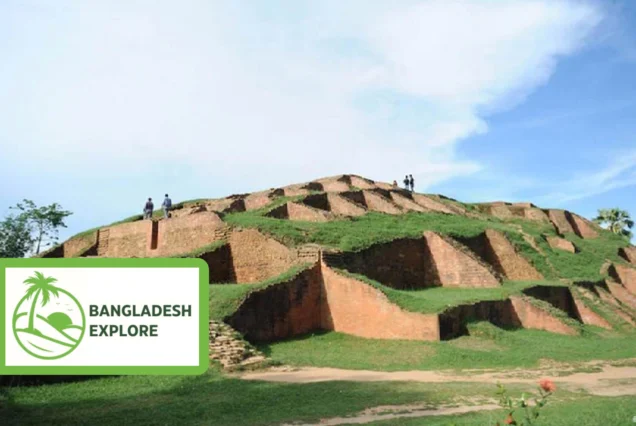
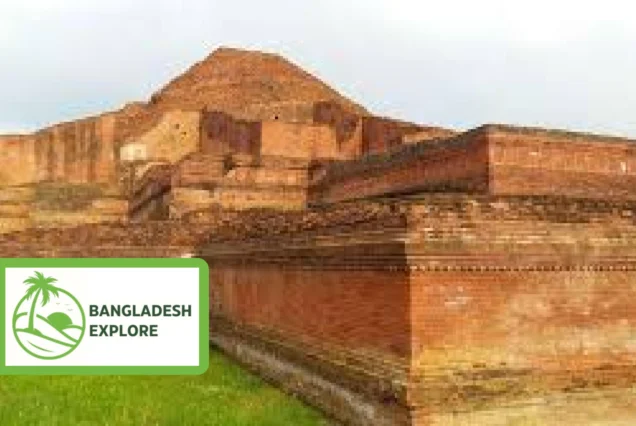
Paharpur (Somapura Mahavira): Experience the grandeur of a UNESCO World Heritage site, one of the largest Buddhist monasteries south of the Himalayas.
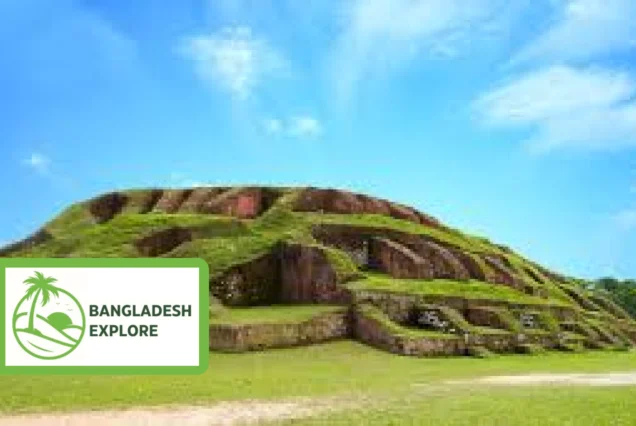
Mahasthangarh Citadel: Stand atop the ramparts of Bangladesh’s oldest city, dating back to at least the 3rd century BCE.
The Mighty Padma: Relax on the banks of the Ganges (Padma) River at Rajshahi, watching the sunset over the water that has sustained these civilizations for millennia.
| Min - Max (Persons) | Adult Price | Children Price |
|---|---|---|
| 1 - 1 | $250.00 | $0.00 |
| 2 - 2 | $240.00 | $0.00 |
| 3 - 3 | $200.00 | $0.00 |
| 4 - 30 | $180.00 | $0.00 |