Bangladesh is a country of extraordinary cultural diversity, vibrant traditions, and deeply rooted spiritual heritage. While many travelers visit for the Sundarbans, tea gardens, archaeological sites, and bustling cities, some of the country’s most memorable experiences are found in its festivals. Among these unique celebrations, Rakher Upobash stands out as one of the most fascinating yet least-known cultural events in Bangladesh.
Observed by thousands of Hindu devotees every year, Rakher Upobash is a festival of faith, devotion, fasting, prayer, and light. As evening descends, countless oil lamps illuminate temples and ashrams, creating a breathtaking atmosphere that captivates worshippers, photographers, and cultural travelers alike.
For visitors seeking authentic cultural experiences, Rakher Upobash offers a unique opportunity to witness living traditions that have been preserved for generations. It is not simply a religious observance; it is a reflection of community spirit, spiritual discipline, cultural identity, and the enduring influence of Baba Lokenath Brahmachari, one of Bengal’s most revered saints.
Whether you are a cultural traveler, photographer, spiritual seeker, or someone interested in understanding Bangladesh beyond its famous tourist attractions, Rakher Upobash provides a meaningful and unforgettable journey into the country’s spiritual heart.
What Is Rakher Upobash?
Rakher Upobash is a sacred Hindu fasting festival celebrated during the holy month of Kartik, typically between October and November. The festival is deeply associated with Baba Lokenath Brahmachari and his teachings of devotion, simplicity, compassion, and self-discipline.
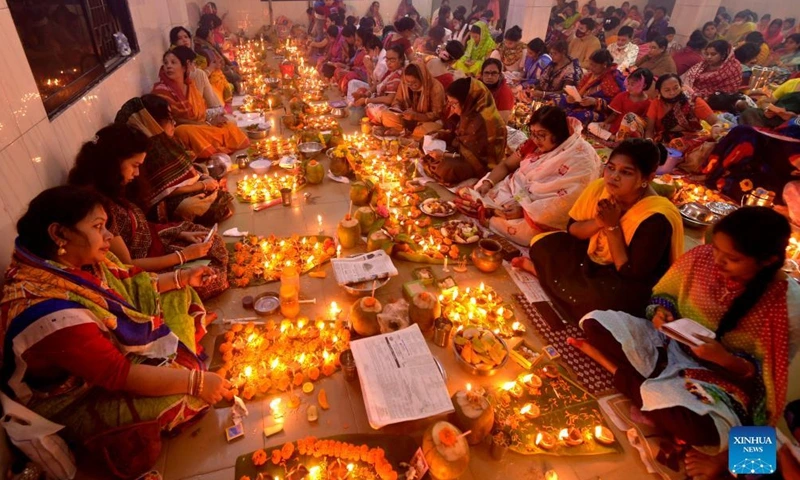
Devotees observe fasting throughout the day and gather in the evening to participate in prayers, rituals, meditation, and the lighting of thousands of oil lamps known as pradip. These lamps symbolize hope, protection, spiritual awakening, and the triumph of light over darkness.
The festival is also known by several names including Kartik Brata, Kartik Vrat, Gonsair Upobash, and Ghrit Pradip Prajalan. Despite variations in terminology, the essence remains the same: strengthening one’s connection with the divine through faith, devotion, and spiritual reflection.
For many devotees, Rakher Upobash is a deeply personal experience that combines religious observance with family traditions and community participation.
The Legacy of Baba Lokenath Brahmachari
The story of Rakher Upobash cannot be told without understanding the influence of Baba Lokenath Brahmachari.
Born in the eighteenth century, Baba Lokenath became one of the most respected Hindu saints in Bengal. His teachings emphasized compassion, humility, service to humanity, and unwavering devotion to God.
Millions of followers across Bangladesh and India continue to honor his teachings today. Devotees believe that Baba Lokenath encouraged fasting, prayer, and the lighting of lamps during the month of Kartik as acts of spiritual purification and protection.
Over the decades, these teachings evolved into the Rakher Upobash observance practiced today.
The enduring popularity of Baba Lokenath reflects the profound impact he has had on generations of devotees who continue to seek inspiration from his life and message.
Why Rakher Upobash Is Important in Bangladesh
Bangladesh is often praised for its religious harmony and cultural diversity. Rakher Upobash represents an important part of this rich heritage.
The festival serves multiple purposes within society. It preserves religious traditions, strengthens community bonds, encourages acts of charity, and promotes spiritual reflection.
For many families, participation in Rakher Upobash is a cherished annual tradition passed from one generation to the next. Grandparents introduce the customs to children, ensuring that cultural values and spiritual practices continue to thrive.
In a rapidly changing world, festivals like Rakher Upobash help preserve cultural identity while bringing communities together through shared experiences.
The festival also highlights the contribution of Bangladesh’s Hindu community to the country’s cultural landscape, offering visitors an opportunity to appreciate the diversity that makes Bangladesh unique.
Barodi Ashram: The Spiritual Center of Rakher Upobash
One of the most significant locations associated with Rakher Upobash is the Shri Shri Lokenath Brahmachari Ashram in Barodi, Narayanganj.
Every year, thousands of devotees travel from across Bangladesh to participate in the celebrations held at this historic ashram. During Rakher Upobash, the grounds become filled with worshippers carrying flowers, fruits, incense, and oil lamps.
As evening approaches, the atmosphere changes dramatically. The glow of thousands of lamps transforms the ashram into a sea of light. Devotional songs fill the air, prayers are recited, and worshippers sit in quiet reflection.
For cultural travelers, Barodi offers an opportunity to witness a living tradition that remains deeply meaningful to the people who practice it.
Unlike many tourist attractions, the experience here feels genuine, intimate, and deeply connected to local life.
The Festival of Light
The lighting of oil lamps is perhaps the most visually striking element of Rakher Upobash.
Rows of lamps are carefully arranged across courtyards, pathways, temple grounds, and prayer areas. As darkness falls, the flames create an extraordinary atmosphere that combines beauty with spiritual symbolism.
For devotees, light represents divine guidance, hope, protection, and enlightenment.
The act of lighting lamps is believed to bring blessings, remove obstacles, and strengthen one’s connection with the divine.
Visitors often describe the sight as unforgettable. Thousands of small flames flickering together create scenes of remarkable beauty that remain etched in memory long after the festival ends.
This symbolism of light resonates universally, making Rakher Upobash meaningful even for travelers unfamiliar with Hindu traditions.
Why Travelers Should Experience Rakher Upobash
Many travelers visit Bangladesh seeking authentic experiences that go beyond conventional sightseeing.
Rakher Upobash offers exactly that.
The festival provides a rare opportunity to witness a living cultural tradition that remains largely untouched by mass tourism. Visitors can observe genuine religious practices, interact respectfully with local communities, and gain insight into the spiritual dimensions of Bangladeshi life.
Unlike highly commercialized festivals, Rakher Upobash remains focused on devotion and community participation.
For travelers interested in culture, religion, history, and human stories, the festival offers an experience that is both educational and emotionally rewarding.
A Paradise for Photographers
Bangladesh has become increasingly popular among documentary and travel photographers, and Rakher Upobash is one of the reasons why.
The combination of candlelight, prayer, traditional clothing, and human emotion creates extraordinary visual opportunities.
Photographers can capture:
- Thousands of illuminated oil lamps
- Devotees engaged in prayer
- Traditional Hindu rituals
- Community gatherings
- Emotional moments of reflection
- Cultural traditions rarely seen elsewhere
Many visitors combine Rakher Upobash with a Street Photography Tour in Dhaka to explore additional aspects of Bangladeshi culture and daily life.
The contrast between the spiritual atmosphere of the festival and the dynamic energy of Dhaka creates a rewarding photography experience.
Discovering Dhaka Alongside Rakher Upobash
Because Barodi is located near Dhaka, travelers can easily combine the festival with cultural exploration in the capital city.
A Discover Dhaka City experience introduces visitors to the history, architecture, culture, and daily life of one of South Asia’s most fascinating cities.
Travelers interested in heritage often join an Old Dhaka Tour, where they can explore historic neighborhoods, centuries-old mosques, traditional markets, and colonial architecture.
These experiences complement Rakher Upobash by providing a broader understanding of Bangladesh’s cultural and historical development.
Exploring Sonargaon and Panam Nagar
One of the most rewarding additions to a Rakher Upobash journey is an Old Dhaka and Sonargao Tour.
Sonargaon, the ancient capital of Bengal, offers insight into the region’s rich history and cultural heritage.
Visitors can also enjoy Visiting Panam City, one of Bangladesh’s most fascinating historical sites. The preserved merchant houses and colonial architecture provide a striking contrast to the spiritual atmosphere of Rakher Upobash.
Together, these destinations create a comprehensive cultural journey that combines religion, history, architecture, and local traditions.
Experiencing Bangladesh Through Culture
Travel is often most meaningful when it helps us understand people and traditions.
An A Cultural Tour provides opportunities to explore village life, traditional crafts, local customs, and community celebrations throughout Bangladesh.
Rakher Upobash fits naturally into this broader cultural narrative, offering insight into the values and beliefs that continue to shape Bangladeshi society.
For travelers seeking authentic experiences rather than superficial attractions, cultural tourism provides some of the country’s most rewarding moments.
Traditional Food and Community Gatherings
Food plays an important role in many Bangladeshi festivals, and Rakher Upobash is no exception.
Following the fasting period, families and communities gather to share meals and celebrate together.
Traditional foods often include fruits, sweets, rice dishes, dairy products, and homemade specialties prepared specifically for the occasion.
These gatherings reinforce social bonds and reflect the spirit of generosity associated with the festival.
Visitors interested in Bangladesh’s culinary traditions may also enjoy a Dhaka Food Tour, which introduces travelers to local flavors and traditional recipes that form an essential part of Bengali culture.
Beyond Rakher Upobash: More Places to Explore
Travelers attending Rakher Upobash often choose to extend their journey and explore other parts of Bangladesh.
The Sreemangal and Sylhet Tour showcases tea gardens, forests, waterfalls, and indigenous communities.
The Sreemanagal Tour offers a deeper exploration of Bangladesh’s tea country and natural beauty.
The Sundarbans and Bagerhat Tour combines wildlife experiences with UNESCO World Heritage Sites.
A North Bengal Tour reveals ancient archaeological sites, temples, and historical landmarks.
Those interested in history may also appreciate World Heritage and Historical Places Tours, which highlight some of Bangladesh’s most significant cultural treasures.
Together, these experiences demonstrate the incredible diversity of Bangladesh as a travel destination.
Why Rakher Upobash Reflects the Spirit of Bangladesh
One of the most remarkable aspects of Bangladesh is its ability to preserve traditions while embracing modernity.
Rakher Upobash reflects this balance beautifully.
The festival demonstrates how faith, family, culture, and community continue to play important roles in everyday life.
It reminds visitors that some of the most meaningful travel experiences come not from famous landmarks but from witnessing authentic human traditions.
For travelers seeking a deeper connection with Bangladesh, Rakher Upobash offers an experience that is both memorable and meaningful.
Experience Rakher Upobash with Bangladesh Explore
Rakher Upobash is more than a religious observance. It is a celebration of devotion, culture, community, and heritage that provides travelers with a unique opportunity to experience Bangladesh from a different perspective.
Whether you are interested in photography, cultural tourism, spiritual traditions, or historical exploration, the festival offers something truly special.
As the Best Tour Agency in Bangladesh, Bangladesh Explore can help you combine Rakher Upobash with an Old Dhaka Tour, Discover Dhaka City, Street Photography Tour in Dhaka, Old Dhaka and Sonargao Tour, or a broader cultural journey across the country.
Join us and discover one of Bangladesh’s most beautiful and meaningful traditions.
Frequently Asked Questions About Rakher Upobash
What is Rakher Upobash?
Rakher Upobash is a sacred Hindu fasting festival observed during the month of Kartik. Devotees fast, pray, and light thousands of oil lamps while seeking blessings from Baba Lokenath Brahmachari.
Where is Rakher Upobash celebrated?
The most famous celebration takes place at the Shri Shri Lokenath Brahmachari Ashram in Barodi, Narayanganj. The festival is also observed in temples and homes throughout Bangladesh.
When is Rakher Upobash celebrated?
Rakher Upobash is celebrated during the Bengali month of Kartik, usually between October and November.
Who was Baba Lokenath?
Baba Lokenath Brahmachari was a revered Hindu saint whose teachings emphasized devotion, compassion, simplicity, and service to humanity.
Can foreign travelers attend Rakher Upobash?
Yes. International visitors are welcome to observe the festival respectfully and learn about one of Bangladesh’s most significant spiritual traditions.
Why is Rakher Upobash important?
The festival preserves religious traditions, strengthens community bonds, encourages spiritual reflection, and honors the teachings of Baba Lokenath.
Is Rakher Upobash suitable for photography?
Absolutely. The illuminated oil lamps, devotional atmosphere, and cultural traditions make it one of the most photogenic festivals in Bangladesh.
What other destinations can be combined with Rakher Upobash?
Travelers often combine the festival with Discover Dhaka City, Old Dhaka Tour, Old Dhaka and Sonargao Tour, Street Photography Tour in Dhaka, Sreemangal and Sylhet Tour, and Sundarbans and Bagerhat Tour.