
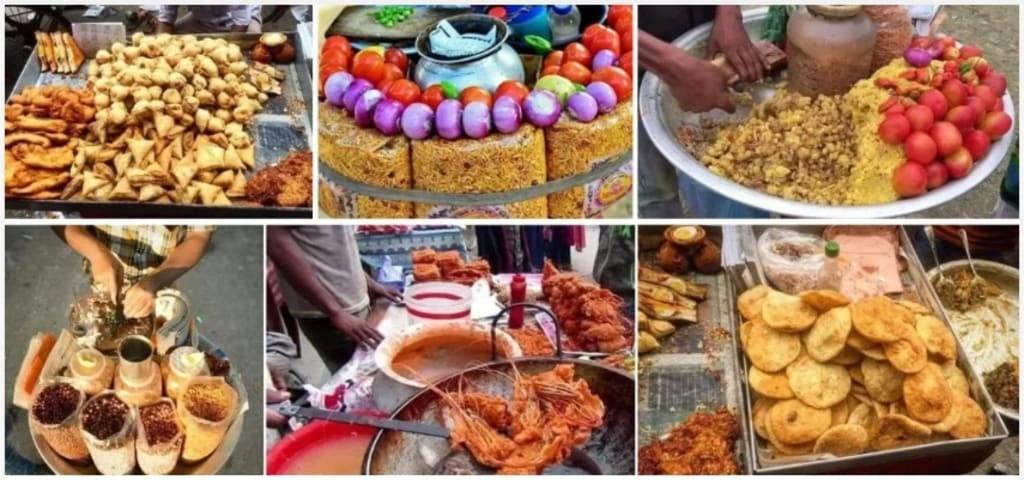
When people think about South Asian cuisine, their minds usually jump to Indian curries or Pakistani grills. But just across the border lies a food paradise that many travellers still haven’t truly discovered – the flavors of Bangladesh.
From fragrant rice dishes and river-fresh fish to smoky bhuna curries and melt-in-your-mouth sweets, food in Bangladesh is bold, comforting and surprisingly diverse. Every region, river and season adds its own twist to what we know as Bangladesh Traditional food.
If you’re planning a trip with the Best Tour Agency in Bangladesh, or joining an Old Dhaka Tour or Dhaka Food Tour, understanding the core dishes and eating culture will make every bite more meaningful. This guide is your friendly, expert-level companion to the foods of Bangladesh – written especially for international (and USA-based) travellers who want a complete, human, experience-driven overview.
Why the Flavors of Bangladesh Are So Unique
The cuisine of Bangladesh is shaped by three powerful forces: rivers, seasons and heritage.
- Rivers bring endless varieties of fresh-water fish – hilsa, rohu, catla, shrimp and more.
- Seasons influence which vegetables, fruits and grains appear on the table – from winter pithas to summer mango feasts.
- Heritage blends Mughal, Persian, Arab and local Bengali influences into one of the most aromatic and emotional food cultures in Asia.
Where Indian food often focuses on complex gravies, Bangladeshi cooking leans into the rich flavors of Bangladesh created by mustard oil, green chili, fresh coriander, slow-cooked bhuna techniques and steaming (bhapa). The result is a flavour profile that feels lighter than many North Indian dishes but just as memorable.
For travellers, this article is a famous food comprehensive guide to what you should taste, where to find it and how each dish fits into everyday life.
Bangladesh National Dish – Why Hilsa is More Than Just a Fish
Ask any Bangladeshi what the Bangladesh national dish is, and you’ll almost always hear one answer: ilish (hilsa). Technically, hilsa is the national fish, but in reality it is a complete experience – a symbol of home, rivers and celebration.
Hilsa appears in many forms:
- Shorshe Ilish – hilsa steamed or simmered in a sharp mustard sauce.
- Ilish Bhaja – crispy fried hilsa served with hot rice and a squeeze of lime.
- Ilish Pulao – delicate rice cooked with spices and pieces of hilsa for special occasions.
The bones can be tricky for first-timers, but once you learn how to eat it, hilsa becomes the flavour benchmark against which many locals measure other fish. If you join an A Cultural Tour that includes home-style meals, don’t be surprised if a host proudly serves hilsa as the centrepiece.
Everyday Staples: Rice, Lentils and Bhorta
At the heart of Traditional Food Of Bangladesh lies a simple but irresistible combination: bhat, dal, bhorta – rice, lentils and mashed sides.
Rice – The Comforting Base
Rice (bhat) is non-negotiable. Whether plain steamed, fragrant polao or the lightly spiced fried rice served at celebrations, it forms the base of most meals. You’ll see rice at breakfast, lunch and dinner, especially outside big cities.
Lentils – Nutritious Soul Food
Next comes dal, the lentil soup or stew that turns rice into a complete, protein-rich meal. Masoor dal (red lentils) is the most common, simmered with turmeric and finished with a sizzling tempering of garlic, dried chili and cumin.
Bhorta – The Unique Bangladeshi “Mash”
Perhaps the most distinctive part of Traditional Bangladeshi Cuisin is bhorta – deeply flavoured mashes made from vegetables, fish or even dried shrimp. Think of it as Bangladeshi tapas:
- Aloo bhorta – mashed potatoes with mustard oil, onion and green chili.
- Begun bhorta – roasted eggplant mash with smoky depth.
- Shutki bhorta – dried fish mash for those who love intense umami.
Mixed onto hot rice with your fingers, bhorta delivers that comforting, homely taste that restaurant menus rarely capture.
Bangladesh’s Famous Food – Dishes You Cannot Miss
When travellers search for Bangladesh’s Famous Food, a few dishes always top the list. These are the stars you’ll likely meet on a Dhaka Food Tour or in the old streets of Chattogram and Sylhet.
Kacchi Biryani – Celebration on a Plate
Bangladesh takes biryani seriously, and kacchi biryani is its crown jewel. Raw marinated meat (usually mutton) is layered with partially cooked basmati rice, sealed in a heavy pot and slow-cooked until every grain absorbs spices, ghee and meat juices.
Served with boiled eggs, golden potatoes and refreshing borhani (spiced yogurt drink), kacchi is the dish you’ll remember long after your trip. Many locals insist that no wedding is complete without it.
Bhuna Khichuri – Comfort Food for Rainy Days
Bhuna khichuri is where rice, lentils and spices come together in one rich, golden bowl. Think of it as the Bangladeshi answer to risotto – soft, creamy and full of flavour, especially when topped with fried eggplant, omelette or beef bhuna.
On monsoon evenings, Dhaka streets smell of khichuri, fried chilies and onion fritters – a moment every food-loving traveller should experience at least once.
Beef Bhuna & Mutton Curry – Slow-Cooked Goodness
Beef bhuna and traditional mutton curries showcase the slow-cooking technique that defines many foods of Bangladesh. Meat is fried with onions and spices until the oil separates, then simmered until completely tender.
The result is dark, intensely flavoured, and perfect with naan, paratha or steaming rice. Visit Old Dhaka during Eid or on a weekend evening, and you’ll see crowds gathering at legendary restaurants to enjoy these dishes together.
Street Food in Bangladesh – Crunchy, Tangy, Addictive
No exploration of the flavors of Bangladesh is complete without street food. This is where you feel the pulse of the cities and towns. When you join an Old Dhaka Tour or Half-Day Tour Dhaka, ask your guide to include at least a short street-food stop.
Fuchka – The Ultimate Tangy Snack
Known as fuchka in Bangladesh (and panipuri elsewhere), this crispy shell filled with spicy potato, chickpeas and tamarind water is a national obsession. You’ll see office workers, students and families all crowding around fuchka carts in the evening.
Chotpoti – Comfort in a Bowl
Chotpoti brings chickpeas, potatoes, chilies, tamarind and eggs together in a warm, tangy mixture. Topped with onion, coriander and crispy bits, it’s the perfect snack during a Street Photography Tour in Dhaka, when you want something quick, filling and bursting with flavour.
Jhalmuri & Singara – On-the-Go Classics
- Jhalmuri – puffed rice tossed with mustard oil, fresh onions, chilies and spices.
- Singara – small, crisp pastries filled with spiced potatoes or vegetables.
These two snacks tell you a lot about food in Bangladesh – simple ingredients transformed into addictive bites with just the right mix of crunch, spice and tang.
Desserts: The Sweet Side of Bangladesh Traditional Food
Bangladesh has a serious sweet tooth, and you’ll quickly understand why. Desserts are more than treats; they’re a key part of Bangladesh Traditional food and hospitality.
Mishti Doi – Sweet Yogurt Perfection
Mishti doi, or sweet yogurt, is thick, creamy and gently caramelised thanks to jaggery or sugar. Served chilled in earthen pots, it’s the perfect ending to a rich meal of biryani or curry.
Roshogolla, Chamcham and Friends
Soft cheese balls soaked in syrup (roshogolla), cylindrical sweets coated in khoya (chamcham), sandesh made from fresh chhena – these are just a few of the Bangladesh’s Famous Food in the dessert category.
Pitha – Winter Warmth on a Plate
In rural areas and smaller cities, winter brings pitha season – rice-flour cakes steamed, fried or cooked on griddles, often filled with coconut and date-palm jaggery. Joining a local family or village festival during pitha season can be the highlight of A Cultural Tour.
Regional Flavors of Bangladesh – From Rivers to Hills
One reason the flavors of Bangladesh feel endlessly interesting is regional diversity. Each area adds its own ingredients and traditions to the shared national table.
Dhaka – Capital of Variety
Dhaka offers everything: star-level restaurants, legendary biryani houses, tiny sweet shops and chaotic street-food lanes. An organised Dhaka Food Tour is the easiest way to try a wide range of dishes in a safe, time-efficient way.
Chattogram – Coastal & Mezban Culture
Chattogram (Chittagong) brings strong coastal influences: grilled fish, prawn curries and the famous Mezban beef feast. Spices feel deeper and smokier here, reflecting centuries of trade across the Bay of Bengal.
Sylhet – Citrus, Tea and Unique Dishes
Sylhet’s hills and tea gardens shape its food culture. Expect aromatic tea, citrus-based curries (featuring the famous shatkora fruit) and snacks perfect for cooler evenings. If you join a Sreemangal and Sylhet Tour or Sreemanagal Tour, ask to include village meals to really experience this side of the cuisine of Bangladesh.
Khulna & Sundarbans – Forest and River on the Plate
In the southwest, near the Sundarbans, dishes often highlight river fish, prawns and rustic vegetables. A Sundarbans and Bagerhat Tour with homestays or local lunches will show you how cooking here is shaped by tides, mangroves and fishing traditions.
North Bengal – Heritage and Hearty Meals
During a North Bengal tour, you’ll discover robust curries, local sweets and traditional snacks that reflect colder winters and fertile plains. Many recipes are closely tied to family histories and village rituals.
Experiencing the Flavors of Bangladesh with Bangladesh Explore
Reading about flavors of Bangladesh is one thing; tasting them in the right settings is another. That’s where a specialised operator like Bangladesh Explore makes a huge difference.
As the Best Tour Agency in Bangladesh, Bangladesh Explore designs food-forward itineraries that connect culinary experiences with landscapes and history. For example:
- Combine an Old Dhaka Tour with evening snacks in historic restaurants.
- Join a river cruise with home-cooked lunch in a village for a truly local taste.
- Add a cooking session or farmhouse visit to your World Heritage and Historical Places Tours.
For food-loving travellers from the USA and beyond, this is the easiest way to turn a simple trip into a genuine storytelling journey through the rich flavors of Bangladesh.
Responsible Eating: Hygiene, Etiquette and Local Culture
To enjoy Traditional Bangladeshi Cuisine comfortably, it helps to follow a few simple guidelines:
- Choose busy places – high turnover usually means fresher food.
- Watch how food is handled – look for stalls where ingredients are covered and cooked thoroughly.
- Use bottled water – especially if you’re not used to local tap water.
- Eat with your right hand – the traditional way. Spoons are often available, but locals appreciate when visitors try the authentic style.
- Respect personal spice tolerance – Bangladeshi food can be spicy, but you can always ask for “kom jhal” (less chili).
By following these tips and listening to your guide on an Old Dhaka and Sonargao Tour or city-based A Cultural Tour, you can safely explore even the most adventurous foods of Bangladesh.
Frequently Asked Questions (FAQ)
What is the national dish of Bangladesh?
Most people consider hilsa (ilish) cooked in mustard sauce – Shorshe Ilish – as the unofficial Bangladesh national dish. Hilsa is the national fish and appears at weddings, festivals and family celebrations. The fish is rich, oily and filled with fine bones, but once you learn how to eat it, the flavour is unforgettable.
Is Bangladeshi food very spicy?
Bangladeshi dishes use plenty of spices, but the main focus is on aroma and depth, not just heat. Many families and restaurants happily adjust chilli levels if you request “less spicy.” When you’re on a Dhaka Food Tour, your guide can help you choose dishes that match your spice comfort zone.
How is Bangladeshi cuisine different from Indian food?
The cuisine of Bangladesh shares roots with Bengali food in India but has its own personality. You’ll notice more fresh-water fish, stronger use of mustard oil, a big love for bhorta (spiced mashes) and special techniques like bhapa (steaming) and bhuna (slow-frying and simmering). Portions of gravy often feel lighter, and flavours lean more towards fresh herbs and chilies than heavy cream.
Is it safe to eat street food in Bangladesh?
Yes – if you’re careful. Stick to stalls with many local customers, high turnover and freshly cooked food. Avoid raw items like cut fruit or salads if you have a sensitive stomach. When you explore with a reputable operator such as Bangladesh Explore during an Old Dhaka Tour or Half-Day Tour Dhaka, your guide will steer you toward cleaner, trusted vendors.
Which tours are best if I want to explore the flavors of Bangladesh?
For a focused introduction, start with a Dhaka Food Tour combined with an Old Dhaka Tour. To connect food with heritage sites, look at itineraries that blend city tastings with rural meals, such as Sreemangal and Sylhet Tour, Sundarbans and Bagerhat Tour, North Bengal tour, or city-plus-village packages under Bangladesh Explore’s World Heritage and Historical Places Tours. These programs let you taste everything from street snacks to home-cooked feasts across different regions.