
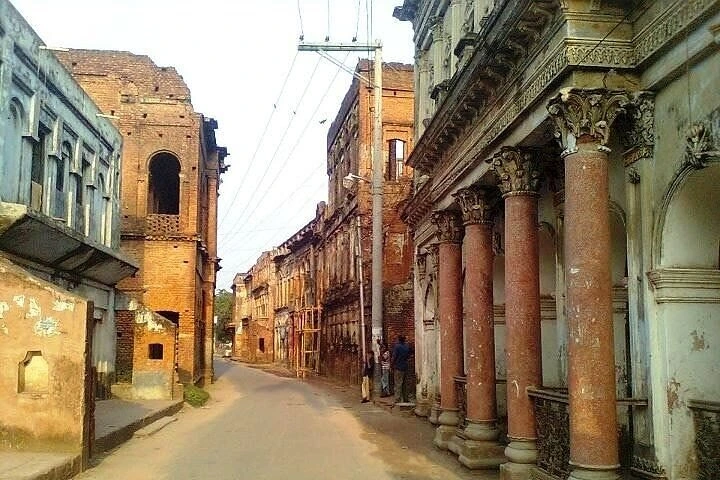
If you love forgotten cities, faded mansions and streets that feel frozen in time, Panam City Dhaka should be at the top of your Bangladesh bucket list. Just an hour’s drive from the capital, this abandoned merchant quarter in Sonargaon is one of the most atmospheric heritage sites in the country. Once a thriving trading hub, today it stands as a beautiful ghost town rich in history, art and stories.
For international travelers looking for an authentic archaeological site in Bangladesh, Panam Nagar offers a perfect mix of culture, architecture and local life. This complete guide will help you understand the history, visiting details and best ways to experience this historic merchant city in Sonargaon.
Where Is Panam City Dhaka and Why Is It Famous?
Panam City, locally known as Panam Nagar, lies in Sonargaon, about 30–40 km southeast of Dhaka. Sonargaon was once the medieval capital of Bengal and an influential river-port on the Meghna and Shitalakshya rivers. Within this wider heritage area, Panam City Sonargaon grew as an elite residential and commercial street for Hindu cloth merchants during the late 19th and early 20th centuries.
What makes Panam City Dhaka so special?
- It is one of the best-preserved historic merchant streets in South Asia.
- The city consists of a single 600–meter–long street with around 50 surviving mansions on both sides.
- The houses blend Indo-Islamic and European details, creating a rare architectural fusion.
- In 2006 Panam Nagar was placed on the World Monuments Fund’s list of 100 most endangered sites, drawing international attention to this abandoned merchant city of Sonargaon.
Today, visitors walk through the same narrow street where wealthy traders once displayed their power, surrounded by moss-covered arches, carved balconies and echoing verandas.
The Rise of Panam Nagar – From Trade Hub to Abandoned Merchant City
To understand Panam City Dhaka, you first need to understand Sonargaon itself. For centuries, Sonargaon was one of the most important political and commercial centers in Bengal, mentioned by travelers like Ibn Battuta and Ma Huan.
Medieval and Mughal Sonargaon
- From the 13th to 17th centuries, Sonargaon served as a regional capital under different Muslim rulers and later as a Mughal administrative center.
- Its strategic riverside location made it a busy port for muslin, spices and agricultural products.
- Rich merchants, artisans and landowners settled around the area, creating satellite neighborhoods like what would later become Panam Nagar.
Colonial Prosperity and the Golden Age of Panam
The real story of Panam City Sonargaon begins in the 19th century during British rule:
- With the expansion of roads and bridges under the British, Sonargaon remained an important cotton and textile trading point.
- Wealthy Hindu cloth merchants and zamindar families invested their profits into building grand townhouses along a single, planned street – Panam Street.
- These mansions were designed in an eclectic style, mixing Bengal courtyard houses with European decorative elements like Corinthian columns, stucco angels, balustrades and stained glass windows.
At its peak, Panam Nagar was a fashionable address where elite families organized parties, negotiated deals and watched processions from their elaborately carved balconies. It truly was the historic Panam City Sonargaon, a symbol of wealth and cosmopolitan taste.
Partition, Migration and Decline
Like many places in Bengal, Panam Nagar’s decline is tied to the political turmoil of the 20th century:
- After the Partition of India in 1947, communal tensions rose and many Hindu families migrated to India, leaving their homes behind.
- Another major wave of migration followed during the Indo-Pakistani War of 1965.
- The remaining residents finally left around the Liberation War of 1971, turning Panam Nagar into a deserted town.
Over the next decades, the empty houses suffered from floods, vegetation, illegal occupation and looting. Only in recent years has the government started serious conservation to protect this beautiful ghost town rich in history.
Architectural Highlights of Panam Nagar in Sonargaon
Even in their decayed state, the mansions of Panam City Dhaka are masterpieces of design. Walking the street feels like stepping onto a movie set frozen in the 1920s.
Layout of the Historic Street
The core of the city is one straight lane of about 600 meters:
- Around 49–52 houses survive on both sides of the road.
- Most buildings are one to three stories, with basements or terrace roofs.
- The street is enclosed by a moat and accessed through controlled entry points today, emphasizing that this is a sensitive archaeological site in Bangladesh.
Indo-European Fusion Architecture
Architecturally, the houses of Panam Nagar in Sonargaon are fascinating:
- Indo-Islamic base – arched doorways, internal courtyards, high plinths and shaded verandas that suit the tropical climate.
- European details – stucco floral panels, pilasters, decorative cornices, pediments and iron balconies inspired by colonial Calcutta and Europe.
- Local craftsmanship – carved wooden doors, lattice windows, patterned brickwork and colored tiles.
Some buildings follow a central hall plan, others revolve around courtyards, and a few are compact compartment-type houses built purely for rental income. Together they form a rare open-air museum of late-colonial Bengal town architecture.
Atmosphere for Photography Lovers
The peeling paint, broken stucco, wild vines and shafts of light filtering through shuttered windows make Panam City Dhaka a dream location for photographers. If you are planning a Street Photography Tour in Dhaka, Panam Nagar should definitely be on your list. Every corner offers leading lines, textures and powerful contrasts between decay and life.
Panam City Dhaka Today – What You See as a Visitor
Over the last decade, the Department of Archaeology has taken steps to stabilize and conserve Panam Nagar:
- The whole street is now fenced and ticket-controlled.
- Many houses are locked off for safety; visitors are requested not to enter buildings marked risky or under restoration.
- Pathways have been cleared so you can walk comfortably along the entire street and observe details from the outside.
A typical visit includes:
- Strolling the full length of Panam Street, photographing the façades and reading information boards.
- Watching local life – school groups, families and domestic tourists exploring the site.
- Combining the visit with the nearby Sonargaon Folk-Arts & Crafts Museum and Boro Sardar Bari.
For travelers who love World Heritage and Historical Places Tours, Panam City Dhaka perfectly complements other iconic sites like Lalbagh Fort and the mosques of Bagerhat.
Panam Nagar Visiting Hours, Panam City Off Day and Ticket Info
Timings and fees can change, but the pattern usually follows other protected sites in Bangladesh. Always double-check the latest schedule before Visiting Panam City.
Typical Opening Hours
Panam Nagar generally follows a two-season schedule:
- Summer (April–September):
- Friday: split opening around midday and afternoon
- Saturday–Thursday: roughly 10:00 AM to 6:00 PM
- Winter (October–March):
- Friday: similar split timing, closing slightly earlier
- Saturday–Thursday: usually around 9:00 AM to 5:00 PM
During Ramadan, schedules are shortened and may shift closer to evening.
Panam city off day: The site is usually closed on Sundays and major public holidays, as well as key Eid days. If your itinerary is tight, avoid Sunday for Panam City Dhaka and plan another activity such as an Old Dhaka Tour or Half-Day Tour Dhaka on that day.
Entry Fees
Ticket prices for this archaeological site in Bangladesh are normally tiered:
- Bangladeshi students (up to secondary level) – very small fee
- Bangladeshi citizens – affordable local rate
- Visitors from SAARC countries – mid-range fee
- Other foreign nationals – slightly higher fee, still excellent value
Children under three and differently abled visitors may receive free entry. Tickets are purchased at the main gate in cash; online booking has not yet become standard.
How to Reach Panam City from Dhaka
Getting from Dhaka to Panam Nagar is surprisingly simple, which is why it is a classic day-trip destination.
By Public Bus
- Go to Gulistan, Jatrabari or another major bus terminal in Dhaka.
- Take a bus heading towards Mograpara or Sonargaon on the Dhaka–Chattogram highway.
- Get off at Mograpara Chowrasta and hire a CNG (three-wheeler) or rickshaw for the final 10–15 minutes to Panam City Sonargaon.
This is the most budget-friendly option but can be crowded and confusing for first-time visitors.
By Private Car or Tour
For a smoother experience, especially if you are a foreign traveler, booking a tour with the Best Tour Agency in Bangladesh or hiring a private car is highly recommended. A door-to-door Old Dhaka and Sonargao Tour or dedicated Visiting Panam City package lets you:
- Avoid negotiating buses and local transport.
- Have an English-speaking guide explain the history and local culture.
- Combine Panam City Dhaka with nearby attractions like the Folk-Arts Museum, Boro Sardar Bari, Goaldi Mosque and a short river cruise.
Travel time from central Dhaka is usually 1–1.5 hours each way depending on traffic.
Things to Do Around Panam City – Making It a Full Cultural Day
A day trip to Panam Nagar is most rewarding when you explore the wider Sonargaon heritage zone.
Sonargaon Folk-Arts & Crafts Museum
Located near Panam City Dhaka, this museum complex showcases traditional crafts from across Bangladesh:
- Nakshi Kantha embroidery, Jamdani weaving, pottery and wooden carvings.
- Recreated rural houses and boats that help you imagine life along the rivers.
- A beautifully restored mansion at Boro Sardar Bari that offers insight into lifestyle and design of the early 20th century.
This stop is ideal if you enjoy A Cultural Tour focused on art, craft and local stories.
Goaldi Mosque and Rural Landscape
A short drive away stands Goaldi Mosque, a rare example of Sultanate-era architecture. Its brickwork and domes create a strong contrast to the Indo-European façades of Panam Nagar. The rural fields, ponds and palm trees around Sonargaon also offer great photo opportunities and a peaceful break from city traffic.
Linking Panam to Broader Bangladesh Itineraries
If you are exploring the whole country with Bangladesh Explore, you can connect Panam City Dhaka with:
- Discover Dhaka City – modern neighborhoods, markets and monuments.
- Sreemangal and Sylhet Tour – tea gardens and waterfalls in northeast Bangladesh.
- Sundarbans and Bagerhat Tour – mangrove forests and mosque city heritage.
- North Bengal tour – archaeological sites in Paharpur and Mahasthangarh.
Positioning Sonargaon within a network of World Heritage and Historical Places Tours helps international visitors appreciate the depth of Bangladeshi culture.
Practical Tips for Visiting Panam City Dhaka
Because Panam Nagar is a fragile, protected site, responsible behavior is essential.
Dress and Etiquette
- Wear light, breathable clothing that covers shoulders and knees.
- Comfortable walking shoes are a must – the street surface can be uneven.
- Carry a scarf or shawl if you plan to visit mosques or more conservative areas.
Photography
- Regular photography is normally allowed, but drone usage requires advance permission from the Department of Archaeology.
- Avoid touching fragile stucco or climbing on walls and balconies, even for that “perfect shot”.
- Early morning or late afternoon light works best to capture the textures of this historic merchant city in Sonargaon.
Weather and Safety
- The best season for Panam City Dhaka is November to March when the weather is cooler and clearer.
- Summer can be extremely hot and humid; carry water, sunscreen and a hat.
- Monsoon rainfall may create puddles or slippery surfaces, so take extra care.
Respecting Heritage and Local Community
- Do not litter, scratch your name on walls or attempt to take bricks and tiles as “souvenirs”.
- Ask permission before photographing local people, especially children.
- Use licensed guides and local services to support the community around this delicate site.
Why Explore Panam City Dhaka with Bangladesh Explore
If you are planning your first trip to Bangladesh, navigating transport, language and tickets alone can feel overwhelming. Traveling with an experienced operator like Bangladesh Explore – often called the Best Tour Agency in Bangladesh by repeat guests – can transform your experience of Panam City Dhaka.
With a curated Old Dhaka Tour, Dhaka Food Tour and Old Dhaka and Sonargao Tour, you can:
- Combine heritage walks with street food tastings and rickshaw rides.
- Gain historical context from expert local guides who have studied Panam Nagar in depth.
- Enjoy safe, comfortable transportation with pre-arranged tickets and schedules.
- Extend your journey with a Sreemanagal Tour to the tea valleys or a Sundarbans and Bagerhat Tour to explore mangrove wildlife and UNESCO mosques.
This blend of professional planning and local passion ensures your visit fulfills both adventure and learning – aligning perfectly with modern E-E-A-T standards of expertise, experience, authority and trustworthiness.
Frequently Asked Questions (FAQ)
What is Panam City Dhaka?
Panam City Dhaka, also known as Panam Nagar, is an abandoned 19th-century merchant street in Sonargaon near Dhaka. It features around 50 Indo-European style mansions built by wealthy Hindu cloth traders and is now a protected archaeological site in Bangladesh.
Why is Panam Nagar called an abandoned merchant city of Sonargaon?
Panam Nagar prospered as a commercial hub during British rule, when rich merchants built grand homes there. After Partition and later conflicts, most Hindu families migrated to India, leaving the neighborhood empty. The houses fell into disuse, turning it into the famous abandoned merchant city of Sonargaon.
How long do I need to visit Panam City Sonargaon?
Most visitors spend 2–3 hours walking the street, photographing the architecture and absorbing the atmosphere. If you also plan to see the Folk-Arts & Crafts Museum, Boro Sardar Bari and nearby mosques, reserve a full day for details of visiting Panam Nagar in Sonargaon.
What is the best time of year to explore Panam City Dhaka?
The most comfortable months are November to March, when temperatures are cooler and humidity is lower. Visiting during these months makes it easier to enjoy walking and photography without the intense summer heat or heavy monsoon rain.
Is Panam City Dhaka suitable for children and older travelers?
Yes, as long as you walk carefully. The path is mostly flat but can be uneven in places. Families with children and older travelers should avoid entering unstable structures and stay on designated pathways. Hiring a guide through a Best Tour Agency in Bangladesh can help manage pace and comfort.
Can I combine Visiting Panam City with other tours?
Absolutely. Many travelers combine Visiting Panam City with an Old Dhaka Tour or Half-Day Tour Dhaka. You can also design a longer itinerary including A Cultural Tour in Sonargaon, a Street Photography Tour in Dhaka, or even multi-day trips like Sreemangal and Sylhet Tour and North Bengal tour.